India Opacifying Preparations For X-Ray Examinations Market 2026 Analysis and Forecast to 2035
Executive Summary
The Indian market for opacifying preparations for X-ray examinations occupies a pivotal position in the global diagnostic imaging landscape. As of the latest data, India stands as the world's third-largest consumer and third-largest producer of these critical contrast media agents, with consumption of 12,000 tons and production of 11,000 tons. This dual status underscores a market characterized by robust domestic demand alongside a significant, yet strategically imbalanced, manufacturing base. The market's trajectory is fundamentally tied to the expansion and modernization of India's healthcare infrastructure, the rising burden of non-communicable diseases requiring diagnostic imaging, and increasing health insurance penetration.
This report provides a comprehensive, data-driven analysis of the market's current state, anchored in the 2026 edition year, and projects its evolution through a forecast horizon to 2035. The analysis reveals a complex trade dynamic, with China serving as the dominant import source, accounting for 71% of import value, while Russia is the primary export destination, taking 33% of India's outbound shipments. A persistent and notable price differential exists, with the average import price at $74,102 per ton significantly exceeding the average export price of $59,085 per ton, highlighting value chain disparities.
Looking forward, the market is poised for transformation driven by policy initiatives like the Production Linked Incentive (PLI) scheme for pharmaceuticals, which aims to bolster domestic manufacturing of key starting materials (KSMs) and active pharmaceutical ingredients (APIs). The strategic imperative for India will be to navigate this dependency, enhance self-reliance in high-value contrast media production, and capitalize on its export potential in targeted regional markets. This report delineates the competitive forces, supply chain vulnerabilities, and growth vectors that will define the market's path to 2035.
Market Overview
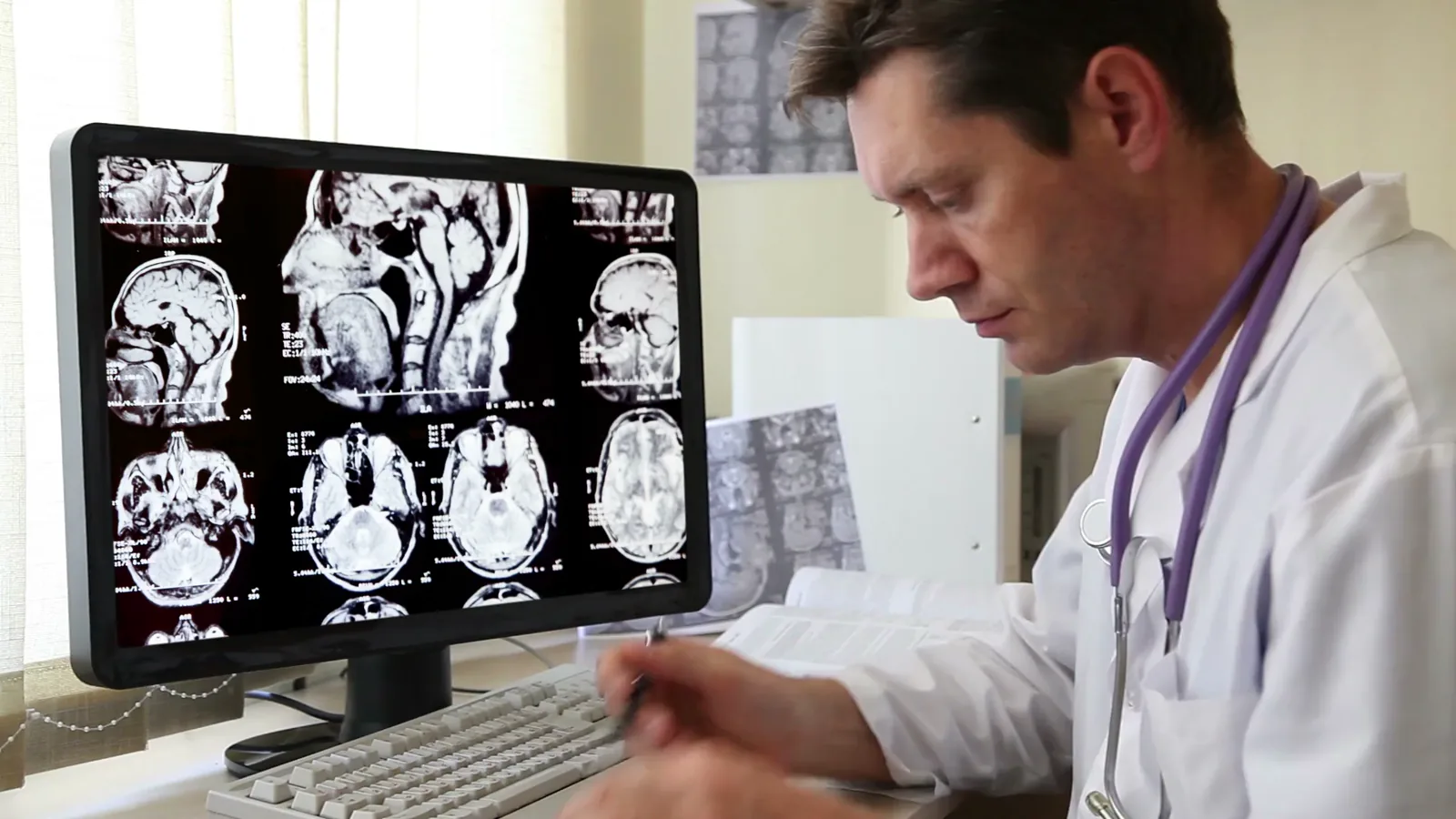
The India Opacifying Preparations for X-Ray Examinations market is a critical subset of the broader diagnostic imaging and pharmaceutical sectors. Opacifying preparations, commonly known as contrast media or contrast agents, are substances administered to patients to enhance the visibility of internal structures in radiographic procedures, including computed tomography (CT) scans, angiography, and urography. These products are indispensable for accurate diagnosis across a wide spectrum of conditions, from cardiovascular diseases and cancer to gastrointestinal and neurological disorders. The market encompasses ionic and non-ionic, iodinated, and barium-based formulations, with a continuous shift towards safer, non-ionic variants.
In the global context, India holds a position of considerable scale and influence. With a consumption volume of 12,000 tons, the country is the world's third-largest consumer of these preparations, accounting for approximately 8.5% of global volume. This places India behind only China (32,000 tons) and the United States (14,000 tons). Concurrently, India's production capacity is substantial, with an output of 11,000 tons, ranking it as the world's third-largest producer after China (37,000 tons) and Germany (16,000 tons). This near-parity between domestic consumption and production suggests a market that is largely self-sufficient in volume terms but reveals deeper complexities upon examining trade and value metrics.
The market structure is bifurcated between multinational corporations (MNCs) with a strong brand presence and advanced product portfolios, and domestic pharmaceutical companies that compete effectively in generic segments and cost-sensitive markets. The end-user landscape is diverse, spanning large multi-specialty private hospitals, public healthcare institutions, diagnostic imaging chains, and standalone radiology clinics. The public sector's procurement, often driven by government tenders, represents a significant volume-driven segment, while the private sector drives adoption of premium, newer-generation products.
Regulatory oversight is stringent, governed by the Central Drugs Standard Control Organization (CDSCO). All contrast media are classified as prescription drugs, requiring rigorous approval processes for manufacturing, import, and marketing. Compliance with Good Manufacturing Practices (GMP) and evolving pharmacopoeial standards is mandatory. The regulatory environment is increasingly focused on quality, patient safety, and the promotion of domestic manufacturing, as evidenced by recent policy interventions aimed at reducing import dependency for critical healthcare products.
Demand Drivers and End-Use
The demand for opacifying preparations in India is propelled by a confluence of demographic, epidemiological, and infrastructural factors. The primary and most powerful driver is the escalating burden of non-communicable diseases (NCDs). India is experiencing a rapid epidemiological transition, with a rising incidence of cancer, cardiovascular diseases, diabetes, and neurological disorders. The diagnosis, staging, and monitoring of these conditions are heavily reliant on advanced imaging techniques that necessitate the use of contrast media. For instance, CT scans, a major application area, are among the fastest-growing diagnostic procedures in the country.
Parallel to the disease burden is the significant expansion and technological upgrading of India's healthcare infrastructure. There has been a substantial increase in the number of hospitals equipped with advanced imaging modalities such as multi-slice CT scanners, MRI machines, and cath labs, particularly in tier-I and tier-II cities. The growth of organized diagnostic chains, which offer standardized imaging services, has further institutionalized demand. Government schemes like Ayushman Bharat, which provides health insurance coverage to a vast portion of the population, have improved access to diagnostic services, thereby stimulating procedural volumes and, consequently, contrast media consumption.
The end-use segmentation of the market reflects the diversity of the healthcare delivery system. The key segments include:
- Hospital & Diagnostic Chains: This is the largest and most influential segment, encompassing large private hospital networks and specialized diagnostic centers. They are the primary adopters of high-end, non-ionic contrast agents and drive demand for bulk purchasing and contractual supply agreements.
- Public Healthcare Institutions: Government hospitals and medical colleges represent a high-volume, price-sensitive segment. Demand here is often met through generic products and is heavily influenced by central and state government procurement policies and tender processes.
- Standalone Clinics & Radiology Centers: Numerous small-scale imaging facilities spread across urban and semi-urban areas contribute significantly to market volume. Their purchasing decisions are typically driven by cost-effectiveness and supplier reliability.
- Academic & Research Institutes: Medical colleges and research institutions utilize contrast media for both clinical and research purposes, supporting demand for a range of products.
An emerging driver is the growing patient and physician awareness regarding the safety profiles of different contrast media, particularly the reduced risk of adverse reactions with non-ionic agents. This is gradually shifting demand mix towards higher-value products, even in cost-conscious segments. Furthermore, the increasing complexity of interventional radiology and minimally invasive surgical procedures, which rely on real-time imaging guidance, is creating specialized demand for specific contrast formulations.
Supply and Production
India's supply landscape for opacifying preparations is a study in contrasts, blending significant domestic production capabilities with a profound reliance on imports for certain high-value products and key starting materials. Domestic production, estimated at 11,000 tons, is facilitated by several major Indian pharmaceutical companies that have developed expertise in the synthesis and formulation of contrast media, particularly generic ionic and non-ionic iodinated agents. These manufacturers have leveraged India's strengths in chemical synthesis and generic pharmaceutical production to establish a cost-competitive supply base that serves both the domestic market and export destinations.
The production process is technology and capital-intensive, involving complex organic chemistry to synthesize the contrast agent molecules, followed by stringent purification and formulation into sterile, pyrogen-free injectable solutions. A critical vulnerability in the domestic supply chain is the dependency on imported Key Starting Materials (KSMs) and advanced intermediates, particularly for newer-generation non-ionic agents. While India manufactures the final dosage form, a substantial portion of the high-value active pharmaceutical ingredient (API) or its precursors are sourced from other countries, predominantly China. This dependency impacts cost structures, supply security, and profit margins for domestic formulators.
The geographical concentration of manufacturing facilities is notable, with major clusters located in states like Gujarat, Maharashtra, and Himachal Pradesh, which offer established pharmaceutical manufacturing ecosystems, regulatory familiarity, and infrastructure. The production landscape is segmented:
- Integrated Domestic Manufacturers: A select few large Indian pharma companies have backward-integrated capabilities, controlling more stages of the value chain.
- Formulation-Focused Producers: The majority of domestic players are engaged in formulation, relying on imported KSMs/APIs.
- Multinational Subsidiaries: Global leaders often maintain formulation and packaging plants in India for local distribution, though the core API manufacturing may occur overseas.
Government policy is actively seeking to reshape this landscape. The Production Linked Incentive (PLI) scheme for pharmaceuticals explicitly identifies KSMs, Drug Intermediates, and APIs as target areas for incentivizing domestic manufacturing. If successfully implemented, this could reduce import dependency, strengthen the domestic supply chain, and enhance the value capture of Indian producers. However, building economically viable, globally competitive API plants for complex molecules like contrast media requires sustained investment, technology transfer, and time.
Trade and Logistics
India's trade in opacifying preparations reveals a market with significant international linkages and a distinct pattern of dependency. The import-export dynamics are not balanced in value terms, painting a picture of a nation that is a net importer of higher-value contrast media and a net exporter of more commoditized or generic formulations. This trade structure is a key determinant of market economics and strategic direction for stakeholders.
Imports are dominated by a single source. In value terms, China constituted the largest supplier of opacifying preparations to India, accounting for a commanding 71% of total import value, equivalent to $57 million. This overwhelming share underscores a critical supply chain concentration risk. The second-largest supplier was Ireland with an 8.9% share ($7.2M), followed by France with a 3.9% share. The high volume of imports from China includes both finished dosage forms and, more significantly, KSMs and APIs required by domestic formulators. This dependency makes the Indian market vulnerable to geopolitical tensions, export restrictions, or quality-related issues emanating from the source country.
On the export front, India has cultivated a diverse set of international markets, primarily focusing on regions with cost-sensitive healthcare systems or limited local manufacturing. In value terms, Russia remains the key foreign market, comprising 33% of total exports from India, valued at $13 million. This reflects long-standing trade relations and Russia's demand for affordable pharmaceuticals. Pakistan holds the second position with a 7.2% share ($2.8M), followed by Mozambique with a 4.7% share. Other significant destinations include countries in Africa, the Middle East, and Southeast Asia. Indian exports are competitive due to cost advantages and compliance with international quality standards.
Logistics and supply chain management for these products are complex due to their classification as pharmaceuticals. They require temperature-controlled transportation and warehousing (cold chain logistics) to maintain stability and sterility. Import and export processes are subject to rigorous customs clearance with mandatory documentation from the CDSCO, including import licenses, certificates of analysis, and proof of GMP compliance of the manufacturing site. The efficiency of ports, customs procedures, and domestic cold chain infrastructure directly impacts product availability, cost, and shelf-life management for both imported and domestically distributed products.
Price Dynamics
The price landscape for opacifying preparations in India is characterized by a persistent and revealing gap between import and export prices, reflecting the differing value propositions of inbound and outbound products. As of 2024, the average import price stood at $74,102 per ton, having grown by 22% against the previous year. In contrast, the average export price was significantly lower at $59,085 per ton, despite also increasing by 6.5% year-on-year. This differential of approximately $15,000 per ton is a stark indicator of the value hierarchy in the global contrast media market.
The high average import price is driven by the nature of goods being imported. These often include newer-generation, non-ionic, low-osmolar contrast agents that command a premium due to their superior safety profile, as well as high-purity KSMs and APIs. The import price, however, has shown volatility and a long-term corrective trend. It reached a peak of $116,252 per ton in 2012 but has since undergone a perceptible shrinkage, standing at a lower figure in the period to 2024. The 22% increase in 2024 may reflect factors such as global supply chain cost inflation, currency fluctuations, or a shift in the mix towards higher-value items.
Conversely, the strong expansion in the average export price over the long term, despite being lower than the import price, signifies a positive trend for Indian manufacturers. From a lower base, export prices have risen, indicating that Indian companies are potentially moving slightly up the value chain, exporting more processed formulations rather than just basic intermediates. The peak export price was $96,296 per ton in 2018, suggesting that India has achieved higher price points for specific products or in specific markets in the past. The subsequent moderation from this peak could be attributed to increased competition in export markets or a change in product mix.
Domestically, pricing is influenced by a multi-tiered structure. Multinational brands maintain premium pricing for their patented or branded generic products. Domestic generic manufacturers compete aggressively on price, especially in government tender business, which exerts significant downward pressure on average realizations. The implementation of price controls, though not uniformly applied to all contrast media, remains a potential regulatory risk that can impact margins. The interplay between rising input costs (especially for imported KSMs), competitive intensity, and payer (government/insurance) pressure will continue to define domestic price dynamics through the forecast period to 2035.
Competitive Landscape
The competitive arena for opacifying preparations in India is a stratified field where global giants and entrenched domestic players vie for market share across different segments and price points. The landscape is not defined by a large number of participants but by the concentrated strength of a few key entities that dominate distribution, brand recognition, and technological portfolios. Competition manifests across several axes: product portfolio breadth (ionic vs. non-ionic, iodinated vs. barium), price, distribution network reach, and relationships with large institutional buyers.
Multinational corporations (MNCs) such as Bayer AG, GE Healthcare, and Guerbet hold leading positions in the premium segment of the market. Their strength lies in their global R&D capabilities, offering advanced, often patented, formulations with enhanced safety profiles. They maintain strong brand equity among radiologists and clinicians, supported by significant investment in medical education and key opinion leader engagement. These companies typically import finished products or high-value APIs for local packaging, focusing on high-end private hospitals and diagnostic chains where price sensitivity is lower. Their strategies often involve lifecycle management of products and introducing new delivery systems.
The domestic competitive front is led by major Indian pharmaceutical companies with strong manufacturing and marketing capabilities in the contrast media space. Key players include:
- J.B. Chemicals & Pharmaceuticals Ltd.
- Spansules Pharma Pvt. Ltd.
- Leben Laboratories Pvt. Ltd.
- Taj Pharmaceuticals Limited
These companies compete effectively by offering a wide range of generic contrast agents at competitive prices. Their deep distribution networks penetrate tier-II and tier-III cities and towns, servicing smaller hospitals and clinics. They are the primary suppliers to government tender business, where the ability to deliver large volumes at low cost is paramount. Their strategic focus is on operational efficiency, backward integration where feasible, and expanding their export footprint to leverage their cost advantages in emerging markets.
The competitive intensity is increasing as domestic players invest in upgrading their product portfolios to include more non-ionic agents, thereby encroaching on the traditional stronghold of MNCs. Simultaneously, MNCs are exploring more flexible pricing and partnership models to gain share in the volume-driven public sector. The competitive landscape is also being subtly reshaped by policy. The PLI scheme and the government's push for self-reliance ("Atmanirbhar Bharat") in pharmaceuticals could empower domestic API manufacturers, potentially altering cost structures and reducing the strategic advantage held by import-dependent firms, whether domestic or multinational.
Methodology and Data Notes
This report on the India Opacifying Preparations for X-Ray Examinations market is constructed using a rigorous, multi-method research methodology designed to ensure accuracy, reliability, and analytical depth. The core of the analysis is based on a comprehensive model that integrates data from a wide array of official and authoritative sources. The foundation comprises trade statistics, which provide the quantitative backbone for understanding market flows, values, and volumes. These are sourced from national customs databases and harmonized through the United Nations Statistical Division (UN Comtrade), ensuring consistency and international comparability.
To contextualize trade data and build a complete picture of domestic market size (consumption and production), the methodology incorporates industry statistics from official national bodies such as the Ministry of Statistics and Programme Implementation (MoSPI) and industry associations. Production data is cross-referenced with capacity estimates from corporate annual reports and regulatory filings with the CDSCO. Market size calculations follow a standard approach where apparent consumption is derived from the formula: Domestic Production + Imports - Exports. This provides a robust, data-led estimate of the volume of product available for consumption within the country.
Qualitative insights and validation of quantitative trends are obtained through expert interviews and secondary desk research. Interviews are conducted with a carefully selected panel of industry stakeholders, including:
- Senior executives from leading domestic and multinational manufacturers.
- Supply chain and logistics managers specializing in pharmaceutical cold chain.
- Healthcare consultants and analysts focusing on the diagnostic imaging sector.
- Radiologists and procurement heads from major hospital networks.
Desk research covers company press releases, annual reports, regulatory announcements, clinical trial registries, and relevant trade publications. All data points, particularly absolute figures such as the 12,000 tons consumption, 11,000 tons production, and trade values, are sourced from the latest available official data, which forms the basis for the 2026 edition year analysis. Forecasts to 2035 are generated using time-series analysis, regression modeling, and scenario-based projections that account for identified demand drivers, policy impacts, and macroeconomic variables, strictly adhering to the rule of not inventing new absolute forecast figures.
Outlook and Implications
The trajectory of the India Opacifying Preparations for X-Ray Examinations market from the 2026 analysis base to the 2035 forecast horizon will be shaped by the interplay of enduring demand growth and transformative supply-side shifts. Demand is projected to maintain a steady compound annual growth rate, underpinned by the irreversible trends of an aging population, rising NCD prevalence, and continued healthcare infrastructure expansion. The penetration of health insurance and the growing acceptance of preventive health check-ups will further procedural volumes. The demand mix will gradually tilt towards safer, non-ionic contrast agents across all healthcare segments, including the public system, as safety awareness becomes a standard part of clinical protocol.
The most significant changes are anticipated on the supply and manufacturing front. The success or failure of policy initiatives like the PLI scheme will be a critical determinant of market structure. A successful outcome would see increased domestic production of KSMs and APIs, reducing the current 71% import value dependency on China. This would enhance supply chain resilience, improve margins for domestic formulators, and potentially lower the cost of finished products over the long term. It could also position India as a more self-reliant hub for contrast media, altering its global trade profile from a net importer of value to a more balanced player.
For industry stakeholders, the implications are clear and actionable. Domestic manufacturers must strategically invest in backward integration and R&D to develop advanced non-ionic agents, moving beyond generic competition. Partnerships for technology transfer or in-licensing of advanced processes could accelerate this transition. Multinational companies need to reassess their India strategy, potentially considering local manufacturing of higher-value products to improve cost competitiveness and align with the "Make in India" policy, while also defending their premium segments through innovation and service differentiation.
The trade dynamics are likely to evolve. While China will remain a major partner, its share of imports may gradually decline in value terms if domestic API production scales up. Indian exports have the potential to grow in both volume and value, especially in markets in Africa, the Commonwealth of Independent States (CIS), and Southeast Asia. Enhancing compliance with stringent international regulatory standards (USFDA, EMA) will be key to accessing more premium export markets. Ultimately, the market outlook to 2035 is one of consolidation, value-chain maturation, and strategic realignment, offering both challenges and substantial opportunities for players that can navigate the evolving policy, competitive, and technological landscape.
Frequently Asked Questions (FAQ) :
The country with the largest volume of x-ray examination preparations consumption was China, comprising approx. 23% of total volume. Moreover, x-ray examination preparations consumption in China exceeded the figures recorded by the second-largest consumer, the United States, twofold. The third position in this ranking was held by India, with an 8.5% share.
China constituted the country with the largest volume of x-ray examination preparations production, comprising approx. 26% of total volume. Moreover, x-ray examination preparations production in China exceeded the figures recorded by the second-largest producer, Germany, twofold. The third position in this ranking was held by India, with an 8% share.
In value terms, China constituted the largest supplier of opacifying preparations for x-ray examinations to India, comprising 71% of total imports. The second position in the ranking was held by Ireland, with an 8.9% share of total imports. It was followed by France, with a 3.9% share.
In value terms, Russia remains the key foreign market for opacifying preparations for x-ray examinations exports from India, comprising 33% of total exports. The second position in the ranking was held by Pakistan, with a 7.2% share of total exports. It was followed by Mozambique, with a 4.7% share.
In 2024, the average x-ray examination preparations export price amounted to $59,085 per ton, picking up by 6.5% against the previous year. Overall, the export price showed a strong expansion. The pace of growth was the most pronounced in 2013 an increase of 59% against the previous year. Over the period under review, the average export prices attained the peak figure at $96,296 per ton in 2018; however, from 2019 to 2024, the export prices remained at a lower figure.
In 2024, the average x-ray examination preparations import price amounted to $74,102 per ton, growing by 22% against the previous year. In general, the import price, however, continues to indicate a perceptible shrinkage. The most prominent rate of growth was recorded in 2020 an increase of 67%. Over the period under review, average import prices hit record highs at $116,252 per ton in 2012; however, from 2013 to 2024, import prices stood at a somewhat lower figure.
This report provides a comprehensive view of the x-ray examination preparations industry in India, tracking demand, supply, and trade flows across the national value chain. It explains how demand across key channels and end-use segments shapes consumption patterns, while also mapping the role of input availability, production efficiency, and regulatory standards on supply.
Beyond headline metrics, the study benchmarks prices, margins, and trade routes so you can see where value is created and how it moves between domestic suppliers and international partners. The analysis is designed to support strategic planning, market entry, portfolio prioritization, and risk management in the x-ray examination preparations landscape in India.
Quick navigation
Key findings
- Domestic demand is shaped by both household and industrial usage, with trade flows linking local supply to imports and exports.
- Pricing dynamics reflect unit values, freight costs, exchange rates, and regulatory shifts that affect sourcing decisions.
- Supply depends on input availability and production efficiency, creating a distinct national cost curve.
- Market concentration varies by segment, creating different competitive landscapes and entry barriers.
- The 2035 outlook highlights where capacity investment and demand growth are most aligned within the country.
Report scope
The report combines market sizing with trade intelligence and price analytics for India. It covers both historical performance and the forward outlook to 2035, allowing you to compare cycles, structural shifts, and policy impacts.
- Market size and growth in value and volume terms
- Consumption structure by end-use segments
- Production capacity, output, and cost dynamics
- Trade flows, exporters, importers, and balances
- Price benchmarks, unit values, and margin signals
- Competitive context and market entry conditions
Product coverage
- Prodcom 21202340 - Opacifying preparations for X-ray examinations, diagnostic reagents designed to be administered to the patient
Country coverage
Country profile and benchmarks
This report provides a consistent view of market size, trade balance, prices, and per-capita indicators for India. The profile highlights demand structure and trade position, enabling benchmarking against regional and global peers.
Methodology
The analysis is built on a multi-source framework that combines official statistics, trade records, company disclosures, and expert validation. Data are standardized, reconciled, and cross-checked to ensure consistency across time series.
- International trade data (exports, imports, and mirror statistics)
- National production and consumption statistics
- Company-level information from financial filings and public releases
- Price series and unit value benchmarks
- Analyst review, outlier checks, and time-series validation
All data are normalized to a common product definition and mapped to a consistent set of codes. This ensures that comparisons across time are aligned and actionable.
Forecasts to 2035
The forecast horizon extends to 2035 and is based on a structured model that links x-ray examination preparations demand and supply to macroeconomic indicators, trade patterns, and sector-specific drivers. The model captures both cyclical and structural factors and reflects known policy and technology shifts in India.
- Historical baseline: 2012-2025
- Forecast horizon: 2026-2035
- Scenario-based sensitivity to income growth, substitution, and regulation
- Capacity and investment outlook for major producing companies
Each projection is built from national historical patterns and the broader regional context, allowing the report to show where growth is concentrated and where risks are elevated.
Price analysis and trade dynamics
Prices are analyzed in detail, including export and import unit values, regional spreads, and changes in trade costs. The report highlights how seasonality, freight rates, exchange rates, and supply disruptions influence pricing and margins.
- Price benchmarks by country and sub-region
- Export and import unit value trends
- Seasonality and calendar effects in trade flows
- Price outlook to 2035 under baseline assumptions
Profiles of market participants
Key producers, exporters, and distributors are profiled with a focus on their operational scale, geographic footprint, product mix, and market positioning. This helps identify competitive pressure points, partnership opportunities, and routes to differentiation.
- Business focus and production capabilities
- Geographic reach and distribution networks
- Cost structure and pricing strategy indicators
- Compliance, certification, and sustainability context
How to use this report
- Quantify domestic demand and identify the most attractive segments
- Evaluate export opportunities and prioritize target destinations
- Track price dynamics and protect margins
- Benchmark performance against leading competitors
- Build evidence-based forecasts for investment decisions
This report is designed for manufacturers, distributors, importers, wholesalers, investors, and advisors who need a clear, data-driven picture of x-ray examination preparations dynamics in India.
FAQ
What is included in the x-ray examination preparations market in India?
The market size aggregates consumption and trade data, presented in both value and volume terms.
How are the forecasts to 2035 built?
The projections combine historical trends with macroeconomic indicators, trade dynamics, and sector-specific drivers.
Does the report cover prices and margins?
Yes, it includes export and import unit values, regional spreads, and a pricing outlook to 2035.
Which benchmarks are included?
The report benchmarks market size, trade balance, prices, and per-capita indicators for India.
Can this report support market entry decisions?
Yes, it highlights demand hotspots, trade routes, pricing trends, and competitive context.