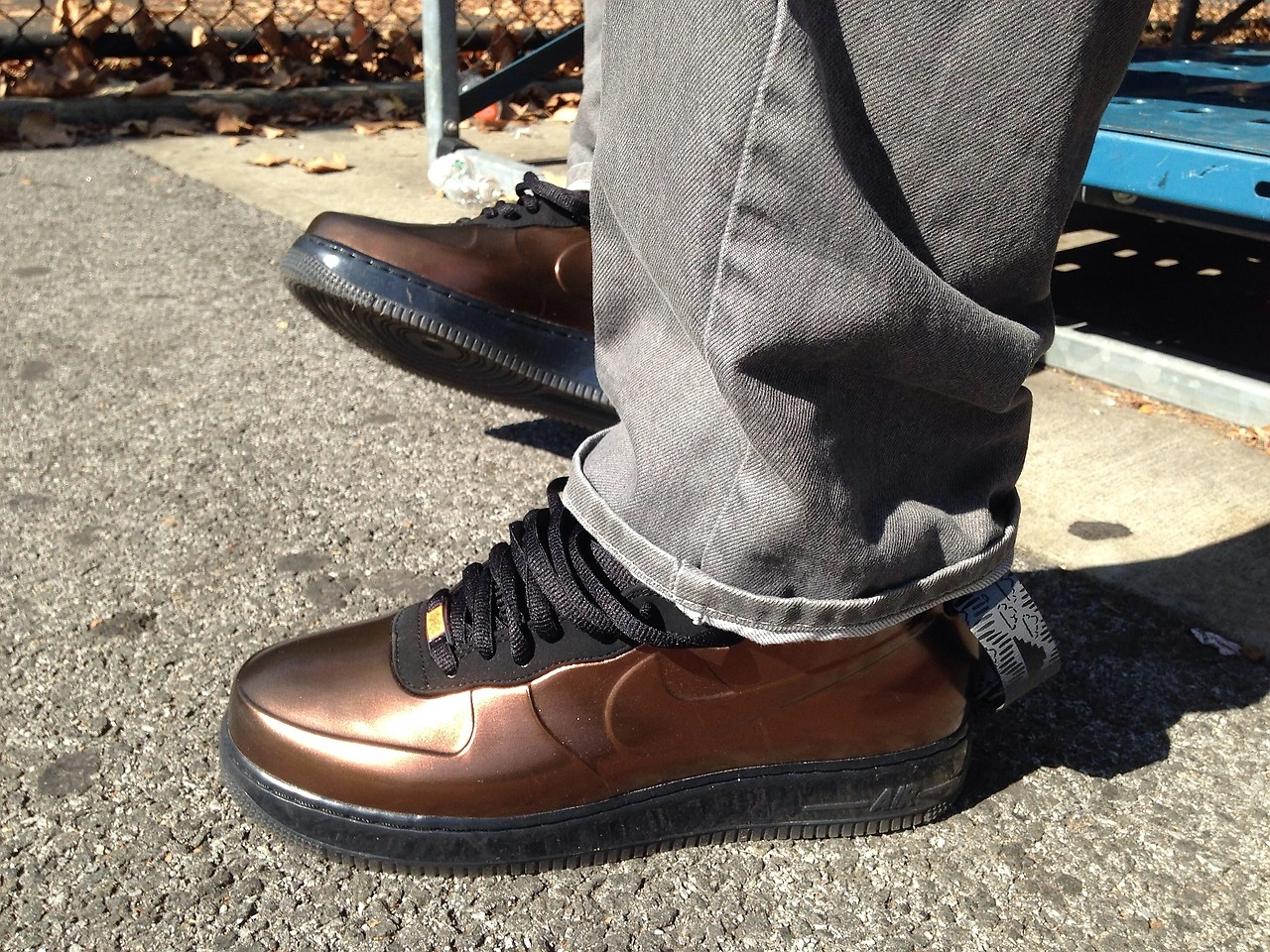
Germany Leather Footwear Market 2026 Analysis and Forecast to 2035
Executive Summary
This report provides a comprehensive and data-driven analysis of the German leather footwear market, offering a detailed assessment of its current state and a strategic forecast through 2035. The German market represents a sophisticated and high-value segment within the global leather footwear industry, characterized by strong domestic demand, a significant reliance on imports, and a robust export orientation for premium products. The analysis reveals a market shaped by evolving consumer preferences, stringent quality and sustainability standards, and complex international supply chains.
Germany's position is unique, acting as both a major consumption hub and a critical trade and distribution nexus within Europe. The market's dynamics are heavily influenced by price differentials, with a clear stratification between high-value domestic production and exports and more competitively priced imports. Understanding these flows, alongside the key drivers of demand from various end-use sectors and the strategies of leading market participants, is essential for stakeholders navigating this competitive landscape.
The forecast period to 2035 will see the market continue to evolve under pressures from economic cycles, material innovation, digitalization of retail, and intensifying sustainability mandates. This report equips executives, strategists, and investors with the foundational intelligence required to identify growth segments, assess competitive threats, optimize supply chains, and make informed, long-term strategic decisions in the German leather footwear sector.
Market Overview
The German leather footwear market is one of the largest and most mature in Europe, defined by a discerning consumer base with high expectations for quality, durability, and design. While not among the global volume leaders like China or the United States, Germany's market is distinguished by its premium positioning and significant per capita expenditure. The market structure is bifurcated, featuring a core of established domestic manufacturers and brands alongside a vast array of imported products that cater to various price points and styles.
Market value is sustained through a combination of domestic consumption and a vibrant export business for German-made footwear. The industry is supported by a dense network of specialized retailers, from independent boutiques to large-scale shoe store chains, department stores, and a rapidly growing e-commerce channel. The latter has fundamentally altered consumer purchasing behavior, increasing price transparency and competition while also offering brands direct access to end consumers.
Regulatory frameworks, particularly those concerning product safety, chemical restrictions (REACH), and increasingly, sustainability disclosures and supply chain due diligence laws, form a critical backdrop for market operations. Compliance is not merely a legal requirement but a key component of brand reputation and consumer trust in the German marketplace, influencing both production practices and sourcing decisions.
Demand Drivers and End-Use
Demand for leather footwear in Germany is driven by a confluence of demographic, economic, and socio-cultural factors. Disposable income levels remain a primary determinant, with the market demonstrating resilience but sensitivity to broader economic conditions. Consumer preferences are increasingly segmented, moving beyond basic functionality towards footwear that expresses individual style, aligns with ethical values, and serves specific lifestyle needs.
The end-use landscape can be broadly categorized into several key segments. The formal footwear segment, including business and dress shoes, maintains steady demand driven by professional dress codes and occasions requiring formal attire. The casual and lifestyle segment represents the largest and most dynamic category, fueled by trends in athleisure, comfort-focused designs, and versatile everyday styles. Seasonal and weather-specific demand, particularly for robust boots and outdoor footwear, also creates predictable purchasing cycles.
Furthermore, the performance and athletic-inspired sub-segment within leather footwear continues to gain traction, blending technical features with premium materials. A critical, overarching driver across all segments is the growing consumer emphasis on sustainability. Demand is shifting towards products made with certified leathers, recycled materials, and from brands that demonstrate transparent and responsible supply chain practices, creating both a challenge and an opportunity for market participants.
Supply and Production
The supply landscape for leather footwear in Germany is characterized by a relatively small but highly specialized domestic production base, supplemented by extensive global sourcing. German manufacturers are renowned for their engineering precision, quality craftsmanship, and focus on technical performance and durability, often commanding premium price points. Production is frequently concentrated on higher-value segments where these attributes are most valued by consumers.
Domestic production capacity is limited compared to global giants. For context, global production is dominated by China, which manufactured approximately 1.2 billion pairs in 2024, accounting for roughly 33% of total global volume and exceeding the output of the second-largest producer, Vietnam (375 million pairs), threefold. India ranked third with 255 million pairs. German producers compete not on volume but on brand heritage, innovation in materials and comfort technology, and "Made in Germany" quality assurance.
The supply chain is intricate, involving raw material procurement (leather, soles, components), which may be sourced globally, followed by manufacturing (either domestically or offshore), and complex logistics for distribution. Many German brands employ hybrid models, producing core premium lines domestically while outsourcing more volume-oriented or fashion-sensitive lines to partner factories in Europe (e.g., Italy, Portugal, Eastern Europe) and Asia to optimize cost and flexibility.
Trade and Logistics
Germany plays a pivotal role as a central trade hub for leather footwear in Europe, evidenced by its substantial and balanced import and export flows. The country is a net importer in volume terms, sourcing a wide variety of footwear to satisfy its large domestic market, but a significant exporter in value terms, reflecting the high unit price of its domestically produced goods. This dual flow underscores Germany's position as both a key consumption market and a re-export/distribution center.
On the import side, Germany sources from a diverse set of suppliers. In value terms, the largest leather footwear suppliers to Germany in 2024 were the Netherlands ($1.1 billion), Italy ($664 million), and Poland ($576 million), together comprising 41% of total imports. A second tier of suppliers, including Belgium, Portugal, Vietnam, India, the Czech Republic, Slovakia, China, Indonesia, and Romania, together accounted for a further 36%. This mix highlights sourcing from high-fashion countries (Italy), low-cost manufacturing hubs (Vietnam, India), and regional production centers within the EU's integrated supply chain.
Exports are a critical revenue stream for German manufacturers. In value terms, the largest destinations for leather footwear exported from Germany were Poland ($1 billion), the Netherlands ($655 million), and France ($503 million), with a combined 38% share of total exports. Other significant markets included Switzerland, the United States, Italy, Belgium, the UK, Austria, Spain, and Slovakia, together comprising a further 40%. This export profile demonstrates strong demand for German footwear in neighboring European markets and key affluent economies worldwide.
Logistics efficiency, including customs clearance within the EU Single Market and management of longer supply chains from Asia, is a critical competitive factor. The rise of e-commerce has also increased the importance of flexible and cost-effective fulfillment and returns logistics, both for domestic sales and for cross-border trade within the EU.
Price Dynamics
The price structure within the German leather footwear market reveals a clear stratification that correlates with origin, brand positioning, and production costs. A persistent and widening gap exists between the average price of exported German footwear and the average price of footwear imported into Germany. This differential is a key indicator of the market's segmentation into premium and value segments.
In 2024, the average leather footwear export price from Germany amounted to $65 per pair, representing a significant increase of 29% against the previous year. This price point reflects the high value of German-made products, which have seen a sustained upward trend. Over the long term, from 2012 to 2024, the export price increased at an average annual rate of +4.8%, culminating in a +93.5% increase against 2015 indices.
Conversely, the average import price for leather footwear into Germany in 2024 was $45 per pair, marking an 18% year-on-year increase. While also on a long-term upward trajectory at an average annual rate of +2.9% from 2012 to 2024, this level is substantially lower than the export average. The import price increased by +69.8% against 2016 indices. This $20-per-pair differential underscores the premium commanded by German production and the competitive pressure from imported volume footwear.
Price dynamics are influenced by raw material costs (particularly leather), labor expenses, logistical overheads, currency exchange rates, and brand equity. The trend towards sustainability and ethical production may exert further upward pressure on costs, which brands will need to balance against consumer willingness to pay a premium for responsibly made products.
Competitive Landscape
The competitive environment in the German leather footwear market is fragmented and multi-layered, with competition occurring across different price tiers, distribution channels, and consumer segments. The landscape includes global sportswear and fashion conglomerates, pan-European footwear groups, longstanding German family-owned enterprises, private label retailers, and a growing number of direct-to-consumer digital-native brands.
Key competitive factors include:
- Brand Heritage and Perception: Established German brands leverage long histories of craftsmanship and quality.
- Product Innovation: Leadership in comfort technologies, sustainable material development, and functional design.
- Distribution Reach and Omnichannel Capability: Strength in both physical retail networks and e-commerce platforms.
- Supply Chain Agility and Cost Management: Ability to respond to trends and manage production costs effectively.
- Sustainability Credentials: Transparency in sourcing and manufacturing, which is increasingly a key differentiator.
Market participants range from large, vertically integrated groups that control brands, manufacturing, and retail, to pure-play brands that outsource all production. Retail competition is equally intense, involving specialty footwear chains, department stores, multi-brand online platforms, and brand-owned mono-brand stores and websites. Success requires a clear strategic positioning, a deep understanding of target consumer segments, and operational excellence across the value chain.
Methodology and Data Notes
This report is built upon a robust and multi-faceted research methodology designed to ensure accuracy, reliability, and analytical depth. The core of the analysis is based on official statistical data from national and international bodies, including destatis (Federal Statistical Office of Germany), Eurostat, and the United Nations Comtrade database. This data provides the foundational figures on production, consumption, import, and export volumes and values.
Primary research supplements this quantitative data, involving interviews and surveys with industry stakeholders across the value chain. Participants include executives from leading footwear manufacturers, brand managers, retail buyers, logistics providers, and industry association representatives. This primary input provides critical context on market trends, competitive strategies, operational challenges, and future expectations that cannot be captured by statistics alone.
All market size estimates, growth rates, and share calculations are derived through proprietary analytical models that cross-reference and reconcile data from these various sources. The forecast through 2035 is generated using time-series analysis, econometric modeling, and scenario-based planning that incorporates identified demand drivers, macroeconomic projections, and industry-specific trend analyses. It is important to note that while the report frames analysis from the 2026 edition year and provides a directional forecast to 2035, specific absolute numerical forecasts are not disclosed in this abstract.
The report adheres to a standard definition of "leather footwear" as per international trade classifications, typically referring to footwear with uppers predominantly made of leather. Data is presented in both volume (pairs) and value (USD or EUR) terms to provide a complete picture of market dynamics. All historical data is adjusted where necessary to ensure consistency and comparability across the time series.
Outlook and Implications
The German leather footwear market is projected to follow a path of mature, value-driven growth through the forecast period to 2035. Volume growth may be modest, influenced by demographic trends and market saturation, but value growth is expected to outpace volume, driven by trading-up behavior, premiumization, and the integration of advanced materials and technologies. The market will not be immune to macroeconomic headwinds, such as inflationary pressures or consumer sentiment shifts, which may cause short-term volatility in discretionary spending.
Several key strategic implications emerge from this outlook. For manufacturers and brands, the imperative to innovate beyond aesthetics into areas of sustainability, circularity, and hyper-personalization will intensify. Investment in supply chain transparency and resilience will transition from a competitive advantage to a business necessity, driven by both consumer demand and regulatory compliance. The digital customer journey will continue to evolve, requiring seamless omnichannel experiences and sophisticated data analytics to understand and engage consumers.
For retailers, the focus will shift towards curated assortments, expert service (both in-store and online), and creating experiential retail environments that cannot be replicated by pure e-commerce. For investors and new entrants, opportunities lie in niche segments addressing specific consumer needs, in brands with authentic sustainability stories, and in technologies that enhance design, manufacturing efficiency, or retail engagement. Navigating the decade to 2035 will require agility, strategic clarity, and a relentless focus on delivering differentiated value in a highly competitive and evolving marketplace.
Frequently Asked Questions (FAQ) :
The countries with the highest volumes of consumption in 2024 were China, the United States and Indonesia, together comprising 44% of global consumption. India, Pakistan, Nigeria, Bangladesh, Brazil, Ethiopia and Turkey lagged somewhat behind, together comprising a further 21%.
The country with the largest volume of leather footwear production was China, comprising approx. 33% of total volume. Moreover, leather footwear production in China exceeded the figures recorded by the second-largest producer, Vietnam, threefold. India ranked third in terms of total production with a 7% share.
In value terms, the largest leather footwear suppliers to Germany were the Netherlands, Italy and Poland, together comprising 41% of total imports. Belgium, Portugal, Vietnam, India, the Czech Republic, Slovakia, China, Indonesia and Romania lagged somewhat behind, together accounting for a further 36%.
In value terms, the largest markets for leather footwear exported from Germany were Poland, the Netherlands and France, with a combined 38% share of total exports. Switzerland, the United States, Italy, Belgium, the UK, Austria, Spain and Slovakia lagged somewhat behind, together comprising a further 40%.
In 2024, the average leather footwear export price amounted to $65 per pair, growing by 29% against the previous year. In general, export price indicated a measured expansion from 2012 to 2024: its price increased at an average annual rate of +4.8% over the last twelve years. The trend pattern, however, indicated some noticeable fluctuations being recorded throughout the analyzed period. Based on 2024 figures, leather footwear export price increased by +93.5% against 2015 indices. As a result, the export price attained the peak level and is likely to continue growth in the immediate term.
In 2024, the average leather footwear import price amounted to $45 per pair, growing by 18% against the previous year. Over the period under review, import price indicated a notable expansion from 2012 to 2024: its price increased at an average annual rate of +2.9% over the last twelve years. The trend pattern, however, indicated some noticeable fluctuations being recorded throughout the analyzed period. Based on 2024 figures, leather footwear import price increased by +69.8% against 2016 indices. The most prominent rate of growth was recorded in 2014 when the average import price increased by 43%. As a result, import price attained the peak level of $45 per pair. From 2015 to 2024, the average import prices failed to regain momentum.
This report provides a comprehensive view of the leather footwear industry in Germany, tracking demand, supply, and trade flows across the national value chain. It explains how demand across key channels and end-use segments shapes consumption patterns, while also mapping the role of input availability, production efficiency, and regulatory standards on supply.
Beyond headline metrics, the study benchmarks prices, margins, and trade routes so you can see where value is created and how it moves between domestic suppliers and international partners. The analysis is designed to support strategic planning, market entry, portfolio prioritization, and risk management in the leather footwear landscape in Germany.
Quick navigation
Key findings
- Domestic demand is shaped by both household and industrial usage, with trade flows linking local supply to imports and exports.
- Pricing dynamics reflect unit values, freight costs, exchange rates, and regulatory shifts that affect sourcing decisions.
- Supply depends on input availability and production efficiency, creating a distinct national cost curve.
- Market concentration varies by segment, creating different competitive landscapes and entry barriers.
- The 2035 outlook highlights where capacity investment and demand growth are most aligned within the country.
Report scope
The report combines market sizing with trade intelligence and price analytics for Germany. It covers both historical performance and the forward outlook to 2035, allowing you to compare cycles, structural shifts, and policy impacts.
- Market size and growth in value and volume terms
- Consumption structure by end-use segments
- Production capacity, output, and cost dynamics
- Trade flows, exporters, importers, and balances
- Price benchmarks, unit values, and margin signals
- Competitive context and market entry conditions
Product coverage
- Prodcom 15201330 - Footwear with a wooden base and leather uppers (including clogs) (excluding with an inner sole or a protective metal toecap)
- Prodcom 15201351 - Men
- Prodcom 15201352 - Women
- Prodcom 15201353 - Children
- Prodcom 15201361 - Men
- Prodcom 15201362 - Women
- Prodcom 15201363 - Children
- Prodcom 15201370 - Slippers and other indoor footwear with rubber, plastic or leather outer soles and leather uppers (including dancing and bedroom slippers, mules)
- Prodcom 15201380 - Footwear with wood, cork or other outer soles and leather uppers (excluding outer soles of rubber, plastics or leather)
Country coverage
Country profile and benchmarks
This report provides a consistent view of market size, trade balance, prices, and per-capita indicators for Germany. The profile highlights demand structure and trade position, enabling benchmarking against regional and global peers.
Methodology
The analysis is built on a multi-source framework that combines official statistics, trade records, company disclosures, and expert validation. Data are standardized, reconciled, and cross-checked to ensure consistency across time series.
- International trade data (exports, imports, and mirror statistics)
- National production and consumption statistics
- Company-level information from financial filings and public releases
- Price series and unit value benchmarks
- Analyst review, outlier checks, and time-series validation
All data are normalized to a common product definition and mapped to a consistent set of codes. This ensures that comparisons across time are aligned and actionable.
Forecasts to 2035
The forecast horizon extends to 2035 and is based on a structured model that links leather footwear demand and supply to macroeconomic indicators, trade patterns, and sector-specific drivers. The model captures both cyclical and structural factors and reflects known policy and technology shifts in Germany.
- Historical baseline: 2012-2025
- Forecast horizon: 2026-2035
- Scenario-based sensitivity to income growth, substitution, and regulation
- Capacity and investment outlook for major producing companies
Each projection is built from national historical patterns and the broader regional context, allowing the report to show where growth is concentrated and where risks are elevated.
Price analysis and trade dynamics
Prices are analyzed in detail, including export and import unit values, regional spreads, and changes in trade costs. The report highlights how seasonality, freight rates, exchange rates, and supply disruptions influence pricing and margins.
- Price benchmarks by country and sub-region
- Export and import unit value trends
- Seasonality and calendar effects in trade flows
- Price outlook to 2035 under baseline assumptions
Profiles of market participants
Key producers, exporters, and distributors are profiled with a focus on their operational scale, geographic footprint, product mix, and market positioning. This helps identify competitive pressure points, partnership opportunities, and routes to differentiation.
- Business focus and production capabilities
- Geographic reach and distribution networks
- Cost structure and pricing strategy indicators
- Compliance, certification, and sustainability context
How to use this report
- Quantify domestic demand and identify the most attractive segments
- Evaluate export opportunities and prioritize target destinations
- Track price dynamics and protect margins
- Benchmark performance against leading competitors
- Build evidence-based forecasts for investment decisions
This report is designed for manufacturers, distributors, importers, wholesalers, investors, and advisors who need a clear, data-driven picture of leather footwear dynamics in Germany.
FAQ
What is included in the leather footwear market in Germany?
The market size aggregates consumption and trade data, presented in both value and volume terms.
How are the forecasts to 2035 built?
The projections combine historical trends with macroeconomic indicators, trade dynamics, and sector-specific drivers.
Does the report cover prices and margins?
Yes, it includes export and import unit values, regional spreads, and a pricing outlook to 2035.
Which benchmarks are included?
The report benchmarks market size, trade balance, prices, and per-capita indicators for Germany.
Can this report support market entry decisions?
Yes, it highlights demand hotspots, trade routes, pricing trends, and competitive context.