China Crude Petroleum Oil Market 2026 Analysis and Forecast to 2035
Executive Summary
The Chinese crude petroleum oil market represents a cornerstone of the global energy landscape, characterized by immense scale, strategic import dependency, and profound influence on worldwide trade flows. As of 2024, China stands as the world's second-largest consumer, with demand reaching 747 million tons, and a dominant importer, sourcing over 70% of its needs from international suppliers. This report provides a comprehensive, data-driven analysis of the market's structure, dynamics, and key participants, culminating in a strategic outlook through 2035. The analysis is grounded in a robust methodology incorporating official trade statistics, industry data, and macroeconomic modeling to ensure accuracy and relevance for executive decision-making.
Market fundamentals are shaped by the persistent tension between robust domestic demand from refining and petrochemical sectors and a plateauing domestic production base. This structural supply-demand gap necessitates a vast and diversified import portfolio, making China the pivotal demand center for exporters from the Middle East, Russia, and Africa. The competitive landscape is dominated by large, state-owned integrated national oil companies (NOCs), which control the majority of upstream production, import quotas, refining capacity, and distribution infrastructure, operating within a framework of government-mandated strategic stockpiling and pricing mechanisms.
Looking towards the 2035 horizon, the market's trajectory will be dictated by the interplay of long-term energy transition policies, geopolitical realignments in trade routes, and the evolution of domestic economic priorities. While near-term demand remains resilient, the long-term forecast must account for peak oil demand scenarios, advancements in alternative energy, and continued efforts to enhance energy security through diversification. This report delineates the critical pathways and potential disruptions that will define the Chinese crude oil market over the next decade, providing stakeholders with the analytical foundation necessary for strategic planning and risk assessment.
Market Overview
The Chinese crude oil market is defined by its colossal scale and its critical role in fueling the nation's industrial and economic engine. In global context, China's consumption of 747 million tons in 2024 solidifies its position as the world's second-largest market, trailing only the United States (916 million tons) and significantly ahead of other major economies. This consumption volume underscores the material intensity of China's economy and its deep reliance on hydrocarbon resources. The market is not a uniform entity but a complex system involving upstream extraction, massive midstream logistics for import and domestic transportation, and downstream refining and processing into a multitude of essential products.
Domestic production, while substantial, has entered a period of maturity, with major onshore fields experiencing natural decline and significant new investments required to maintain output. This production plateau contrasts sharply with the steady growth in consumption witnessed over the past two decades, albeit at a moderating pace. Consequently, the import dependency ratio has climbed consistently, making external supply a non-negotiable component of national energy strategy. The market operates under a framework of government regulation that includes import licensing, controlled pricing for refined products, and mandates for strategic petroleum reserves (SPR), all administered by the National Development and Reform Commission (NDRC) and other state bodies.
The market's value chain is highly integrated, with national oil companies (NOCs) like Sinopec, CNPC, and CNOOC exerting vertical control from overseas equity production and import terminals to refineries and retail networks. Independent refiners, often referred to as "teapots," have emerged as significant players, particularly in the Shandong province, introducing greater flexibility and competition into the downstream sector but remaining reliant on NOC infrastructure for pipeline access and import quotas. This structure creates a market that is both monolithic in its strategic direction and nuanced in its operational execution.
Demand Drivers and End-Use
Demand for crude oil in China is fundamentally derived from its transformation into refined products and petrochemical feedstocks. The primary end-use sectors are transportation, industrial production, and chemical manufacturing, each with distinct drivers and growth profiles. Transportation fuel demand, encompassing gasoline, diesel, and jet fuel, is historically correlated with vehicle parc growth, freight activity, and air travel. While the proliferation of electric vehicles (EVs) is beginning to exert a long-term moderating influence on gasoline demand, the commercial trucking and aviation sectors are expected to support diesel and jet fuel consumption for the foreseeable future, acting as a key pillar of near-to-mid-term oil demand.
The industrial sector consumes fuel oil and diesel for machinery, mining, construction, and power generation, particularly in remote areas or as backup power. Demand here is closely tied to the cyclicality of heavy industry, infrastructure investment, and manufacturing PMI indices. However, the most significant and resilient growth driver in recent years has been the petrochemical sector. Crude oil is used as a feedstock in ethylene crackers and aromatics units to produce base chemicals like ethylene, propylene, and paraxylene, which are the building blocks for plastics, synthetic fibers, resins, and solvents.
This shift toward petrochemicals, often termed "crude-to-chemicals," is a strategic response by refiners to capture higher value and to hedge against potential stagnation in transport fuel demand. Major integrated refining and chemical complexes, such as Zhejiang Petrochemical and Hengli Petrochemical, are designed with high chemical yields, ensuring that a substantial portion of each barrel of crude is converted directly into chemical products rather than fuels. This structural evolution within the downstream industry suggests that future crude oil demand will be increasingly inelastic to transport trends and more closely linked to the growth of consumer goods, packaging, and advanced materials manufacturing.
Supply and Production
China's domestic crude oil supply is anchored by several large, mature basins. The Daqing field in Northeast China, operated by CNPC, remains a symbol of the nation's oil industry but has been in managed decline for years. The Shengli field in the Bohai Bay Basin and the Changqing field in the Ordos Basin are other major contributors, employing advanced enhanced oil recovery (EOR) techniques to maintain output. Offshore production in the Bohai Bay and the South China Sea, led by CNOOC, represents a critical growth area, with deepwater and ultra-deepwater projects requiring significant technological investment and carrying higher operational risks.
Despite these efforts, domestic production has struggled to keep pace with consumption. The geological complexity of remaining reserves, high extraction costs, and environmental constraints pose persistent challenges. The government's strategic focus has therefore pivoted towards securing equity oil abroad through NOC investments in overseas assets across Africa, the Middle East, Central Asia, and South America. While this equity oil contributes to supply security and corporate portfolios, the physical barrels are often sold on the global market and do not directly substitute for commercial imports; they instead provide a financial hedge and geopolitical influence.
The supply landscape is thus bifurcated: a stable but constrained domestic production base, and a vast, flexible, but geopolitically sensitive import supply chain. This duality necessitates a sophisticated national strategy involving strategic stockpiling, diversification of import sources, and investment in pipeline and port infrastructure to ensure supply resilience. The government-mandated Strategic Petroleum Reserve (SPR) program, with its phases of construction, provides a critical buffer against global supply shocks, allowing the state to manage market stability during periods of international volatility.
Trade and Logistics
China's crude oil import trade is the largest in the world by volume, a necessity born from its supply-demand gap. The import portfolio is strategically diversified across multiple regions to mitigate geopolitical risk. According to recent trade data, the leading suppliers in value terms are Russia ($62.1 billion), Saudi Arabia ($48.3 billion), and Malaysia ($37.7 billion), which together accounted for 46% of total import value. This trio reflects key trade relationships: Russia via expanding pipeline and ESPO blend shipments, Saudi Arabia as a traditional term-contract supplier of Middle Eastern grades, and Malaysia, which often serves as a transshipment hub for cargoes from other origins, including Iran and Venezuela.
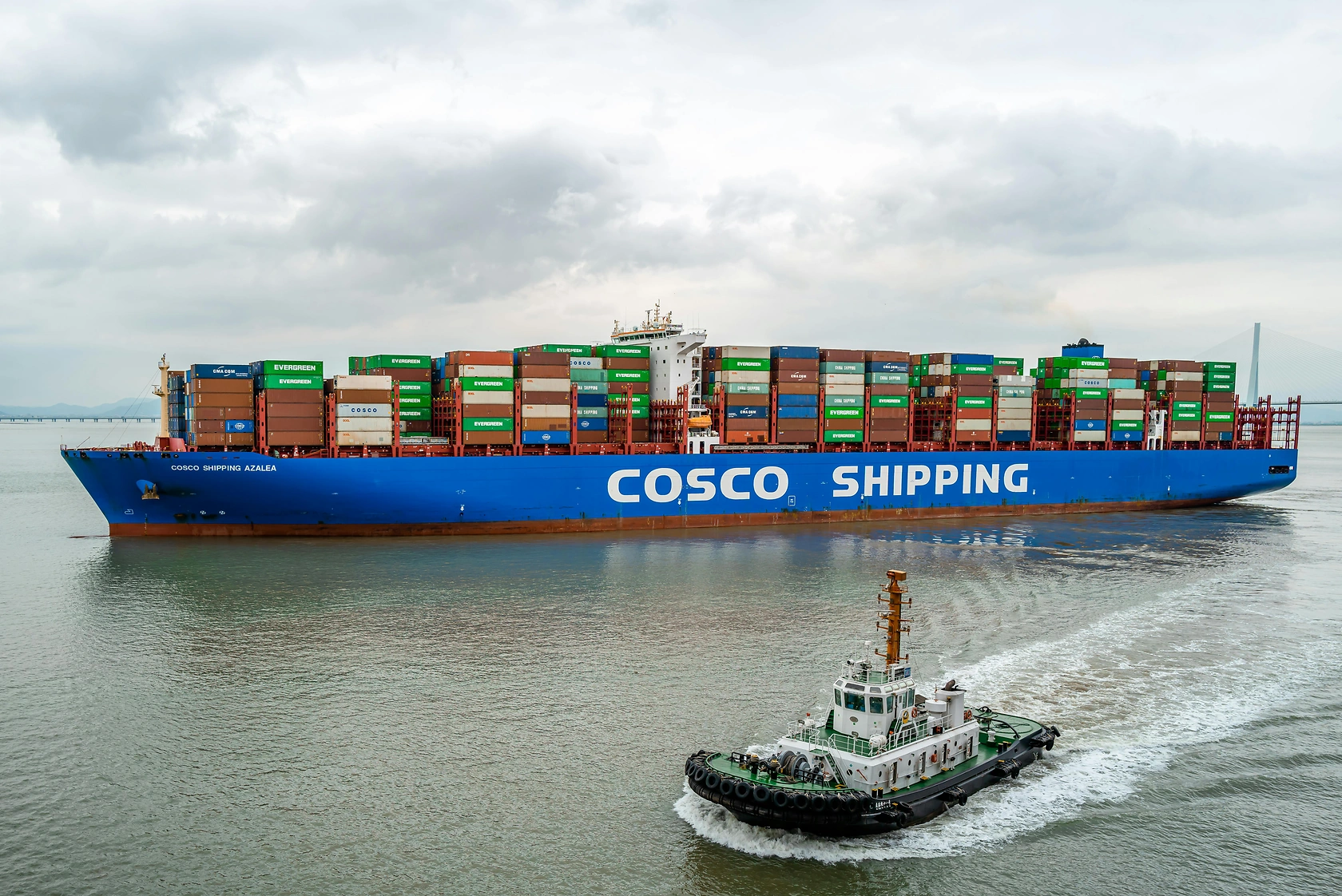
The logistics network supporting these imports is a marvel of infrastructure, centered on a string of world-class deepwater ports along the eastern and southern coastlines. Key entry points include the ports of Ningbo-Zhoushan, Qingdao, Dalian, Tianjin, and Zhanjiang. These ports are connected to vast tank farms and, crucially, to an extensive network of pipelines that transport crude inland to refineries. The crude oil pipeline network, increasingly consolidated under the national pipeline company PipeChina, is a strategic asset that ensures efficient and secure distribution from coastal entry points to demand centers in the interior, reducing reliance on rail and road transportation.
While China is a massive net importer, it also engages in a smaller but notable export trade, primarily consisting of re-exports, processing trades, or specific grade swaps to optimize refinery configurations. The leading destinations for Chinese crude oil exports in value terms are South Korea ($371 million), Japan ($315 million), and Hong Kong SAR ($148 million), which together represent 71% of total exports. Singapore and Malaysia are other notable destinations. This export activity, though minor relative to imports, highlights the integration of Chinese NOCs into regional trading patterns and their ability to engage in arbitrage and portfolio optimization.
Price Dynamics
Price formation in the Chinese crude oil market is a hybrid process influenced by international benchmarks, government policy, and domestic supply-demand fundamentals. The vast majority of imported crude is priced against international markers such as Brent, Dubai, and West Texas Intermediate (WTI). Consequently, Chinese importers are price-takers on the global stage, with their landed costs directly exposed to fluctuations in these benchmarks, foreign exchange rates, and freight costs. The average import price stood at $586 per ton in 2024, reflecting a decrease of -2.1% from the previous year and continuing a longer-term trend of moderation from the peak levels seen in the early 2010s.
Domestically, the pricing of refined products—gasoline and diesel—is regulated under a mechanism that adjusts retail prices when moving averages of international crude prices change beyond a set threshold. This system, while intended to shield consumers from extreme volatility and to control inflation, can create margin squeezes for refiners when international crude costs rise rapidly but product price adjustments are delayed. For crude oil produced domestically, a different pricing dynamic exists, often linked to international benchmarks but with adjustments for quality and transportation, creating a complex price landscape for different crude streams within the country.
The average export price for Chinese crude oil, relevant for its small outbound trade, was $566 per ton in 2024, down -4.8% year-on-year. The historical data shows significant volatility, with a peak of $915 per ton in 2012 followed by a general downtrend, mirroring but not exactly tracking import price trends. The divergence between import and export prices in any given period can reflect the specific grades being traded, regional arbitrage opportunities, and the terms of specific contracts. Understanding these price differentials and their drivers is essential for participants engaged in trading, refinery procurement, and financial hedging.
Competitive Landscape
The competitive arena of the Chinese crude oil market is dominated by large, state-owned integrated national oil companies (NOCs) that operate with strategic mandates beyond pure commercial profitability. The "Big Three"—China National Petroleum Corporation (CNPC), China Petroleum & Chemical Corporation (Sinopec), and China National Offshore Oil Corporation (CNOOC)—collectively control the majority of domestic upstream production, own and operate the core refining and petrochemical assets, and manage the lion's share of import contracts and infrastructure.
- Sinopec: The world's largest refiner by capacity, Sinopec's strength lies in its massive and sophisticated downstream network. It is the largest importer of crude oil, operating coastal refineries optimized for processing imported medium and heavy sour crudes from the Middle East.
- CNPC: As the legacy national company, CNPC controls the largest share of domestic onshore reserves and production, notably the Daqing field. It has a strong integrated presence with refining assets and a pivotal role in managing pipeline infrastructure and imports from neighboring countries like Russia and Kazakhstan.
- CNOOC: Specializing in offshore exploration and production, CNOOC is the leader in China's offshore basins. It has developed significant refining and chemical capacity to integrate its upstream production, and it actively pursues overseas upstream assets.
Beyond the Big Three, the landscape includes other significant state-owned entities like Sinochem and Norinco, which have growing refining and trading operations. The most dynamic segment, however, is the independent refiners, or "teapot" refineries. Concentrated mainly in Shandong province, these players have gained influence since being granted crude oil import quotas in 2015. They are characterized by operational flexibility, agility in sourcing opportunistic cargoes (often from Iran, Venezuela, or via Malaysia), and a focus on producing niche products. While they increase market competition, their access to pipelines and storage remains partially dependent on NOC-controlled infrastructure, and their quotas are subject to government policy shifts aimed at consolidating capacity and reducing emissions.
Methodology and Data Notes
This market analysis is constructed using a multi-layered methodology designed to ensure comprehensiveness, accuracy, and analytical rigor. The foundation is built upon official and authoritative data sources, including China's General Administration of Customs (GAC) for detailed import and export statistics (volume, value, country of origin/destination), the National Bureau of Statistics (NBS) for domestic production, consumption, and macroeconomic indicators, and disclosures from major publicly listed oil companies. International data from organizations such as the Joint Organisations Data Initiative (JODI), the U.S. Energy Information Administration (EIA), and OPEC are used for global context and benchmarking.
Quantitative data analysis is supplemented by qualitative insights gathered from industry reports, regulatory policy documents, and financial statements. A proprietary market model is employed to integrate these disparate data streams, cross-verify figures, and identify underlying trends and correlations. The model applies statistical techniques to analyze historical time series, establish demand elasticities relative to GDP, industrial output, and vehicle sales, and to understand the structural relationships between different market variables. Scenario analysis is a key component, used to test the sensitivity of market outcomes to changes in key assumptions.
It is critical to note the definitions and limitations inherent in the data. Consumption figures are typically derived as a balance of domestic production plus net imports, adjusted for inventory changes. Trade values are reported in nominal U.S. dollars and can be influenced by currency fluctuations. The report distinguishes between apparent consumption (a statistical calculation) and actual end-user demand. All forecast projections to 2035 presented are based on the extrapolation of established trends, policy targets (e.g., carbon peaking), and scenario modeling; they are indicative of direction and magnitude rather than precise predictions, acknowledging the inherent uncertainty of long-term energy forecasting.
Outlook and Implications
The trajectory of the Chinese crude oil market from 2026 to 2035 will be shaped by the complex interplay of three dominant forces: energy security imperatives, the energy transition, and evolving economic structure. In the near-to-medium term, demand is expected to exhibit resilience, supported by ongoing petrochemical expansion and inertia in the commercial transportation sector. However, the growth rate will continue its gradual deceleration, moving the market closer to a potential plateau or peak demand scenario within the forecast horizon. This peak will not be a sharp cliff but a multi-year period of flattening consumption, influenced by the accelerated adoption of EVs, gains in fuel efficiency, and policy-driven shifts away from fossil fuels in certain sectors.
On the supply side, import dependency will remain structurally high. The strategic focus will intensify on diversifying sources beyond traditional Middle Eastern suppliers, with Russia, Africa, and the Americas gaining share. Investments in pipeline infrastructure, both domestic (connecting inland refineries) and international (such as expansions of the Russia-China pipelines), will enhance logistics security and cost efficiency. The role of the Strategic Petroleum Reserve (SPR) will evolve from a passive stockpile to a more active market stabilization tool, potentially influencing regional price dynamics during periods of surplus or shortage.
For stakeholders—including producers, traders, refiners, and policymakers—the implications are profound. NOCs will need to balance their core hydrocarbon businesses with investments in clean energy and decarbonization technologies. Independent refiners face a future of stricter consolidation, environmental compliance costs, and potential quota pressures. International suppliers must navigate a market where volume growth slows but the competition for market share intensifies, requiring deeper relationships and an understanding of China's specific crude grade preferences. Ultimately, the Chinese crude oil market over the next decade will be one of strategic management of a mature system, prioritizing security, efficiency, and alignment with the nation's broader carbon neutrality ambitions, rather than one of simple volumetric expansion.
Frequently Asked Questions (FAQ) :
The countries with the highest volumes of consumption in 2024 were the United States, China and Russia, together accounting for 47% of global consumption.
The countries with the highest volumes of production in 2024 were the United States, Russia and Saudi Arabia, with a combined 41% share of global production.
In value terms, Russia, Saudi Arabia and Malaysia constituted the largest crude oil suppliers to China, together comprising 46% of total imports.
In value terms, the largest markets for crude oil exported from China were South Korea, Japan and Hong Kong SAR, with a combined 71% share of total exports. Singapore and Malaysia lagged somewhat behind, together comprising a further 18%.
In 2024, the average crude oil export price amounted to $566 per ton, reducing by -4.8% against the previous year. In general, the export price saw a perceptible curtailment. The growth pace was the most rapid in 2022 an increase of 81% against the previous year. Over the period under review, the average export prices attained the peak figure at $915 per ton in 2012; however, from 2013 to 2024, the export prices failed to regain momentum.
The average crude oil import price stood at $586 per ton in 2024, shrinking by -2.1% against the previous year. Overall, the import price showed a pronounced shrinkage. The most prominent rate of growth was recorded in 2021 when the average import price increased by 53% against the previous year. The import price peaked at $815 per ton in 2012; however, from 2013 to 2024, import prices stood at a somewhat lower figure.
This report provides a comprehensive view of the crude oil industry in China, tracking demand, supply, and trade flows across the national value chain. It explains how demand across key channels and end-use segments shapes consumption patterns, while also mapping the role of input availability, production efficiency, and regulatory standards on supply.
Beyond headline metrics, the study benchmarks prices, margins, and trade routes so you can see where value is created and how it moves between domestic suppliers and international partners. The analysis is designed to support strategic planning, market entry, portfolio prioritization, and risk management in the crude oil landscape in China.
Quick navigation
Key findings
- Domestic demand is shaped by both household and industrial usage, with trade flows linking local supply to imports and exports.
- Pricing dynamics reflect unit values, freight costs, exchange rates, and regulatory shifts that affect sourcing decisions.
- Supply depends on input availability and production efficiency, creating a distinct national cost curve.
- Market concentration varies by segment, creating different competitive landscapes and entry barriers.
- The 2035 outlook highlights where capacity investment and demand growth are most aligned within the country.
Report scope
The report combines market sizing with trade intelligence and price analytics for China. It covers both historical performance and the forward outlook to 2035, allowing you to compare cycles, structural shifts, and policy impacts.
- Market size and growth in value and volume terms
- Consumption structure by end-use segments
- Production capacity, output, and cost dynamics
- Trade flows, exporters, importers, and balances
- Price benchmarks, unit values, and margin signals
- Competitive context and market entry conditions
Product coverage
Country coverage
Country profile and benchmarks
This report provides a consistent view of market size, trade balance, prices, and per-capita indicators for China. The profile highlights demand structure and trade position, enabling benchmarking against regional and global peers.
Methodology
The analysis is built on a multi-source framework that combines official statistics, trade records, company disclosures, and expert validation. Data are standardized, reconciled, and cross-checked to ensure consistency across time series.
- International trade data (exports, imports, and mirror statistics)
- National production and consumption statistics
- Company-level information from financial filings and public releases
- Price series and unit value benchmarks
- Analyst review, outlier checks, and time-series validation
All data are normalized to a common product definition and mapped to a consistent set of codes. This ensures that comparisons across time are aligned and actionable.
Forecasts to 2035
The forecast horizon extends to 2035 and is based on a structured model that links crude oil demand and supply to macroeconomic indicators, trade patterns, and sector-specific drivers. The model captures both cyclical and structural factors and reflects known policy and technology shifts in China.
- Historical baseline: 2012-2025
- Forecast horizon: 2026-2035
- Scenario-based sensitivity to income growth, substitution, and regulation
- Capacity and investment outlook for major producing companies
Each projection is built from national historical patterns and the broader regional context, allowing the report to show where growth is concentrated and where risks are elevated.
Price analysis and trade dynamics
Prices are analyzed in detail, including export and import unit values, regional spreads, and changes in trade costs. The report highlights how seasonality, freight rates, exchange rates, and supply disruptions influence pricing and margins.
- Price benchmarks by country and sub-region
- Export and import unit value trends
- Seasonality and calendar effects in trade flows
- Price outlook to 2035 under baseline assumptions
Profiles of market participants
Key producers, exporters, and distributors are profiled with a focus on their operational scale, geographic footprint, product mix, and market positioning. This helps identify competitive pressure points, partnership opportunities, and routes to differentiation.
- Business focus and production capabilities
- Geographic reach and distribution networks
- Cost structure and pricing strategy indicators
- Compliance, certification, and sustainability context
How to use this report
- Quantify domestic demand and identify the most attractive segments
- Evaluate export opportunities and prioritize target destinations
- Track price dynamics and protect margins
- Benchmark performance against leading competitors
- Build evidence-based forecasts for investment decisions
This report is designed for manufacturers, distributors, importers, wholesalers, investors, and advisors who need a clear, data-driven picture of crude oil dynamics in China.
FAQ
What is included in the crude oil market in China?
The market size aggregates consumption and trade data, presented in both value and volume terms.
How are the forecasts to 2035 built?
The projections combine historical trends with macroeconomic indicators, trade dynamics, and sector-specific drivers.
Does the report cover prices and margins?
Yes, it includes export and import unit values, regional spreads, and a pricing outlook to 2035.
Which benchmarks are included?
The report benchmarks market size, trade balance, prices, and per-capita indicators for China.
Can this report support market entry decisions?
Yes, it highlights demand hotspots, trade routes, pricing trends, and competitive context.