World Black Soldier Fly Larvae Market 2026 Analysis and Forecast to 2035
Executive Summary
The global market for Black Soldier Fly Larvae (BSFL) is undergoing a profound transformation, evolving from a niche waste management solution into a cornerstone of the sustainable bioeconomy. This report, based on a 2026 analysis with a forecast extending to 2035, provides a comprehensive assessment of the industry's trajectory, driven by the urgent need for alternative proteins and circular agricultural models. The market's expansion is underpinned by significant investments in industrial-scale production, technological advancements in bioconversion efficiency, and a rapidly evolving regulatory landscape that is increasingly recognizing BSFL as a legitimate feed ingredient. The convergence of these factors is creating a dynamic and competitive global marketplace with substantial long-term growth potential.
Our analysis indicates that the demand side is being propelled primarily by the animal feed sector, particularly aquaculture and poultry, where BSFL offers a high-protein, sustainable alternative to traditional commodities like fishmeal and soybean meal. On the supply side, production capacity is scaling rapidly across multiple continents, though operational efficiencies and consistent feedstock supply remain critical challenges. The price dynamics of BSFL are becoming increasingly linked to conventional protein markets while also reflecting the premium for sustainable sourcing, creating a complex but transparent pricing environment.
The strategic implications for stakeholders are significant. Producers must navigate feedstock logistics, optimize genetics and rearing conditions, and secure offtake agreements in a competitive landscape. Feed manufacturers and livestock producers are presented with a viable tool for de-risking their supply chains and improving the environmental footprint of their products. This report delivers the granular data and strategic insights necessary to understand market size, key players, trade flows, cost structures, and the macroeconomic and regulatory drivers that will shape the industry through 2035.
Market Overview
The global Black Soldier Fly Larvae market represents a critical innovation within the broader insect protein sector, distinguished by the larvae's exceptional efficiency in converting low-value organic waste into high-value biomass. The market's structure encompasses the entire value chain, from egg production and genetics, through large-scale bioconversion facilities, to the processing of larvae into various end-products such as whole dried larvae, protein meal, and oil. As of the 2026 analysis period, the industry has moved decisively beyond pilot and demonstration phases, with numerous commercial-scale facilities operational and many more in advanced development stages across the globe.
Geographically, production and consumption are becoming increasingly decentralized. While early development was concentrated in Europe and North America, facilitated by supportive regulatory frameworks and venture capital, significant growth is now occurring in Asia-Pacific and other regions with strong agricultural bases. This geographical diversification is driven by local demand for sustainable feed ingredients and the universal availability of organic waste streams suitable for bioconversion. The market's evolution is characterized by a dual focus: increasing the sheer volume of production while simultaneously driving down costs through technological innovation and economies of scale.
The regulatory environment remains a pivotal factor influencing market growth and regional development pace. Key jurisdictions, including the European Union, the United States, and several Asian countries, have established or are finalizing pathways for the authorization of BSFL in feed for aquaculture, poultry, and swine. These regulatory milestones are not merely permissions but are actively shaping industry standards for safety, quality, and traceability, thereby building confidence among downstream buyers and investors. The maturation of this regulatory landscape is a prerequisite for the large-scale, mainstream adoption projected in the forecast period to 2035.
Demand Drivers and End-Use
The primary demand driver for Black Soldier Fly Larvae is the structural deficit in sustainable protein sources for animal feed, compounded by global population growth and rising per capita meat consumption. Conventional protein sources, namely fishmeal and soybean meal, face well-documented challenges related to environmental sustainability, supply chain volatility, and long-term resource constraints. BSFL emerges as a compelling alternative, offering a consistent, locally producible protein with a superior environmental profile, directly addressing the core sustainability goals of major agri-food corporations and feed millers.
The end-use segmentation is dominated by the animal feed industry, with applications evolving in a tiered manner based on regulatory approval and cost-competitiveness.
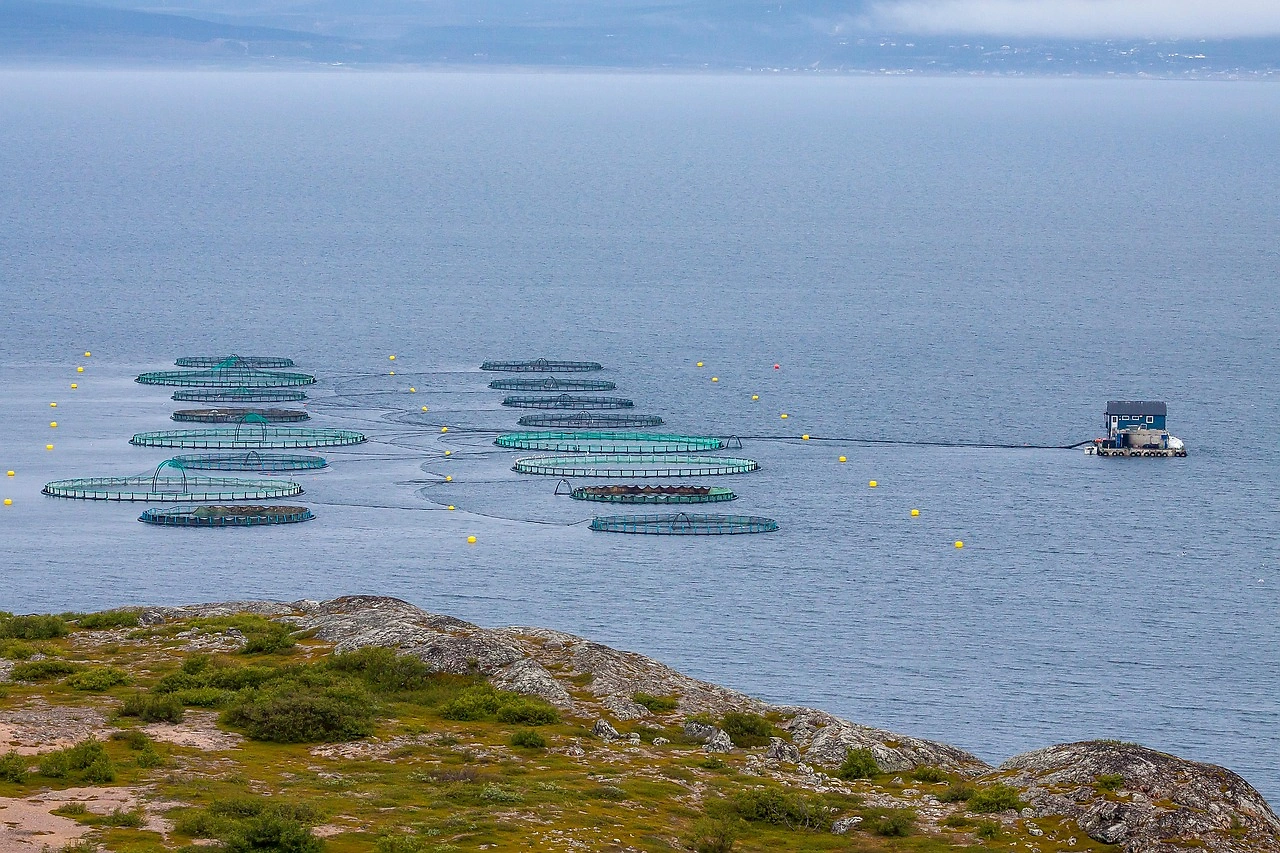
- Aquaculture Feed: This represents the most established and largest application segment. BSFL protein is an excellent nutritional match for many farmed fish and shrimp species, providing essential amino acids and healthy lipids. Its use helps reduce the industry's dependence on wild-caught fish for fishmeal, directly contributing to ocean sustainability.
- Poultry Feed: Adoption in poultry diets is accelerating rapidly. BSFL serves as a high-protein ingredient for broilers and layers, with research indicating benefits for gut health and immune response. The ability to partially replace soybean meal offers feed manufacturers geographic supply diversification and a hedge against commodity price fluctuations.
- Pet Food: The premium pet food segment is a high-growth channel for BSFL. Pet owners are increasingly seeking novel, sustainable, and hypoallergenic protein sources for their pets, creating strong demand for insect-based ingredients in treats and specialty diets.
- Other Applications: Emerging uses include feed for swine, as regulations permit, and direct application in waste management services, where the value is derived from waste diversion fees rather than larval biomass. The potential for BSFL oil in cosmetic and industrial applications represents a longer-term opportunity for market diversification and value-added revenue streams.
Beyond specific sectors, overarching macro-trends are cementing demand. Corporate commitments to net-zero emissions and circular economy principles are translating into tangible procurement policies that favor ingredients like BSFL. Furthermore, consumer awareness and acceptance of insect-fed animal products are growing, reducing a previously significant barrier to downstream market penetration. This confluence of sector-specific needs and broad sustainability mandates creates a robust and multi-faceted demand foundation for the foreseeable future.
Supply and Production
The supply landscape for Black Soldier Fly Larvae is characterized by a race to scale, with companies pursuing aggressive capacity expansion to capture market share and achieve cost leadership. Production methodology has standardized around controlled-environment vertical farming principles, where climate, humidity, and feedstock are meticulously managed to optimize larval growth rates, feed conversion ratios, and biosecurity. The core operational challenge lies in securing consistent, low-cost, and compliant feedstock—typically pre-consumer organic waste from food processing, agriculture, or retail—at a scale that matches larval production capacity.
Technological innovation is a key differentiator among producers. Advances are focused on several critical areas: automating larval harvesting and processing to reduce labor costs; refining strain genetics to improve growth performance and nutrient profiles; and developing sophisticated feedstock pre-treatment and formulation strategies to ensure optimal larval nutrition and final product quality. The capital intensity of building large-scale facilities is significant, leading to a market structure where well-funded players with strong technical expertise are positioned to lead. However, regional and specialized niche producers continue to play an important role, particularly in markets with distributed waste streams or specific local feed demands.
Production capacity is not evenly distributed globally, but the trend is toward regionalization. The goal for most integrated producers is to situate facilities close to both feedstock sources and end-markets to minimize logistics costs for both inputs and outputs. This model promotes a circular economy at a local or regional level. Scaling production also introduces complexities related to waste handling permits, environmental emissions, and community relations, requiring producers to develop sophisticated operational and stakeholder management capabilities beyond core insect rearing. The ability to master this integrated operational model will separate the industry leaders from the rest in the forecast period to 2035.
Trade and Logistics
International trade in Black Soldier Fly Larvae and derived products is expanding but remains shaped by a complex and evolving regulatory framework. Trade flows are currently most active within regions that have harmonized regulations, such as the European Union, where authorized products can move freely between member states. Cross-continental trade, particularly involving whole dried larvae or protein meal, is subject to stringent import controls, phytosanitary certifications, and country-specific authorization processes that can act as non-tariff barriers. This regulatory patchwork incentivizes local production for local consumption, though trade is expected to grow as global standards coalesce.
The logistics chain for BSFL products presents unique challenges compared to traditional feed ingredients. While the final products (meal, oil) are stable and can be transported using standard bulk or bagged logistics, the need to maintain product quality and prevent contamination is paramount. For whole dried larvae, maintaining low moisture content is critical to prevent spoilage during transit. Furthermore, the "story" of sustainability is a key part of the product's value; therefore, supply chain transparency and certification (e.g., for waste feedstock origin, carbon footprint) are becoming integral components of the trade, often requiring dedicated documentation and traceability systems.
Looking toward 2035, trade patterns will likely mature along two parallel tracks. First, a commoditized track for standardized protein meals where price and specification will dominate, facilitated by clearer global trade rules. Second, a value-added track for specialized products (e.g., specific lipid profiles for aquaculture, functional ingredients for pet food) where trade will be driven by proprietary formulations and technical partnerships between producers and multinational feed companies. The development of efficient, transparent, and certified trade corridors will be essential for the market to realize its full global potential and allow regions with comparative advantages in production to supply deficit areas.
Price Dynamics
The pricing of Black Soldier Fly Larvae products is transitioning from a technology-premium model, based largely on cost-plus calculations from capital-intensive producers, toward a market-driven model increasingly correlated with conventional protein commodities. The primary price benchmark for BSFL protein meal is fishmeal, with BSFL typically trading at a discount or parity depending on grade, nutritional profile, and regional availability. This linkage is crucial for adoption, as it allows feed formulators to consider BSFL as a direct substitute within least-cost formulation software, integrating it into mainstream purchasing decisions rather than treating it as a niche specialty ingredient.
Several key factors directly influence price formation. Feedstock acquisition and pre-processing costs represent the largest variable cost component, making local waste stream economics a primary determinant of regional price competitiveness. Production scale and operational efficiency directly impact the cost structure, with larger, automated facilities achieving lower unit costs. Product specification, particularly protein content, fat profile, and safety certifications (e.g., pathogen-free, heavy metal limits), commands price differentials. Finally, the balance of regional supply and demand creates local market premiums or discounts, especially in areas where production capacity has not yet matched the pace of demand growth from the feed sector.
As the market matures toward 2035, price volatility is expected to decrease relative to the early-stage market, but it will not disappear. It will be influenced by the volatility in feedstock (waste) markets, energy costs for climate-controlled farming, and the price movements of fishmeal and soybean meal. However, the inherent advantage of BSFL—its ability to utilize diverse, low-cost waste streams—provides a fundamental buffer against the agro-climatic shocks that affect traditional crop-based proteins. This decoupling from weather and geopolitics offers a compelling value proposition for risk-averse feed buyers, potentially justifying a stability premium in long-term contracts as the market evolves.
Competitive Landscape
The competitive environment in the global BSFL market is dynamic, featuring a mix of vertically integrated pioneers, specialized technology providers, and new entrants from adjacent sectors such as animal nutrition, waste management, and biotechnology. The landscape can be segmented into several strategic groups. First, large-scale integrated producers that control the entire value chain from genetics to finished product, focusing on achieving cost leadership through scale. Second, technology licensors that develop and sell proprietary rearing, automation, or processing systems to other operators. Third, waste management companies that are incorporating insect bioconversion as a value-added service to their core operations.
Competitive strategies are multifaceted. For producers, key strategic levers include securing long-term, low-cost feedstock agreements; continuous process innovation to improve yield and quality; building strong technical service and sales relationships with feed millers; and pursuing strategic partnerships for market access. Mergers, acquisitions, and strategic investments are increasingly common as larger agri-food and ingredient corporations seek to enter the space, providing capital and distribution channels to scaling insect companies. This is leading to a gradual consolidation trend, particularly in more mature regional markets like Europe.
Looking ahead to 2035, the basis of competition will evolve. In the near term, competition is centered on scaling capacity and securing offtake agreements. In the medium to long term, as technology diffuses and scales become more comparable, competition will shift toward:
- Cost Leadership: Achieving the lowest production cost through operational excellence and optimal facility sizing.
- Product Differentiation: Developing specialized strains or post-processing techniques to create ingredients with unique functional or nutritional benefits.
- Supply Chain Resilience: Building robust, multi-feedstock supply networks and diversified customer bases.
- Sustainability Credentials: Quantifying and verifying circular economy benefits and carbon savings to meet corporate procurement standards.
The companies that can successfully execute across these dimensions will be poised to capture dominant positions in this high-growth market.
Methodology and Data Notes
This report on the World Black Soldier Fly Larvae Market is the product of a rigorous, multi-method research methodology designed to ensure accuracy, depth, and analytical robustness. The foundation of the analysis is a comprehensive data collection process encompassing both primary and secondary sources. Primary research involved structured interviews and surveys with key industry stakeholders, including BSFL producers, technology providers, feed millers, aquaculture companies, regulators, and industry association representatives. These engagements provided critical insights into operational metrics, cost structures, procurement strategies, and market sentiment that are not available from published sources.
Secondary research constituted a systematic review and synthesis of a vast array of public and proprietary data. This included analysis of company financial reports and press releases, regulatory documents from bodies such as the European Food Safety Authority (EFSA) and the Association of American Feed Control Officials (AAFCO), international trade statistics, scientific literature on insect nutrition and rearing, and market studies from related agricultural and feed sectors. All quantitative data was subjected to a multi-step validation process, including cross-referencing between sources, sanity-checking against known physical production constraints, and review by our panel of industry experts.
The forecasting approach for the period to 2035 is scenario-based and probabilistic, rather than a simple linear extrapolation. It integrates quantitative data on capacity expansions, feed demand projections, and regulatory timelines with qualitative assessments of technology adoption curves, competitive intensity, and macroeconomic variables. Key assumptions underpinning the forecast are clearly identified within the full report, and sensitivity analyses are presented for critical variables such as feedstock cost, regulatory approval speed, and commodity protein prices. This transparent methodology allows stakeholders to understand the drivers of market growth and the potential range of future outcomes.
Outlook and Implications
The outlook for the global Black Soldier Fly Larvae market from the 2026 analysis base to 2035 is unequivocally positive, underpinned by structural trends in protein demand, sustainability imperatives, and technological maturation. The market is expected to transition from a high-growth, innovation-driven phase into a consolidation and optimization phase, where it becomes an established component of the global feed ingredient matrix. Growth rates, while potentially moderating from early triple-digit percentages, will remain significantly above those of the broader agricultural sector, reflecting the ongoing substitution of traditional proteins and expansion into new application areas.
For industry participants and investors, the implications are profound. Producers must prepare for intensified competition by relentlessly focusing on operational efficiency, cost control, and supply chain security. Strategic partnerships—whether for feedstock supply, technology, or market access—will become increasingly vital. For feed manufacturers and livestock producers, BSFL represents a strategic tool for de-risking supply chains, reducing environmental footprints, and meeting consumer demand for sustainably produced meat, fish, and dairy. Developing procurement expertise and formulation experience with insect ingredients will provide a first-mover advantage.
On a macro scale, the rise of the BSFL industry has implications for waste management policies, agricultural systems, and climate goals. It offers a tangible pathway for cities and industries to achieve higher organic waste diversion rates while creating a valuable local protein source. Policymakers will be challenged to create supportive, science-based regulatory frameworks that ensure safety without stifling innovation. As the industry scales, its positive externalities—reduced landfill methane emissions, decreased pressure on marine ecosystems, and enhanced nutrient cycling—will contribute meaningfully to global sustainability targets. The journey to 2035 will see the Black Soldier Fly Larvae market solidify its role as a critical enabler of a more circular and resilient bioeconomy.