Report Russia Offshore Control Cables - Market Analysis, Forecast, Size, Trends and Insights for 499$
Report Update Mar 5, 2026

Russia Offshore Control Cables - Market Analysis, Forecast, Size, Trends and Insights

Common to all licenses: PDF report + Excel data package, delivery by email attachments, content copy-paste enabled, printable format, and one clarification round after delivery.

Russia Offshore Control Cables Market 2026 Analysis and Forecast to 2035

Executive Summary

The Russian offshore control cables market represents a critical and specialized segment within the nation's broader maritime and energy infrastructure ecosystem. Characterized by high technical requirements and dependence on large-scale offshore hydrocarbon projects, the market is navigating a complex landscape of geopolitical constraints, technological modernization demands, and evolving energy policies. This report provides a comprehensive 2026 analysis of the market's structure, key participants, supply chains, and price formation mechanisms, extending its analytical forecast to 2035 to identify long-term strategic pathways.

Current market dynamics are predominantly shaped by the development of Russia's continental shelf resources, particularly in the Arctic and Far East regions. The imperative for import substitution and technological sovereignty following international sanctions has accelerated domestic production initiatives, though significant gaps in high-tech segments remain. The market's trajectory is intrinsically linked to state-led energy majors and their capital expenditure cycles, creating a cyclical demand pattern sensitive to global energy prices and federal budget allocations for strategic projects.

Looking towards 2035, the market is poised for a period of transformation driven by the dual forces of technological necessity and geopolitical reality. The gradual pivot towards more complex subsea production systems and the potential for offshore wind development in certain regions will demand new cable specifications and competencies. This report delineates the competitive strategies, supply chain vulnerabilities, and regulatory frameworks that will define success in this evolving market, providing stakeholders with the analytical depth required for robust investment and operational planning.

Market Overview

The offshore control cables market in Russia is defined by its application in subsea oil and gas production systems, serving as the vital neural network for underwater equipment. These cables transmit power, control signals, and data between surface platforms or vessels and subsea wells, manifolds, and other infrastructure. The market is bifurcated between umbilical cables, which integrate hydraulic, electrical, and fiber-optic lines, and dedicated electrical or fiber-optic control cables for specific functions. The extreme operating environments—particularly the low temperatures and high pressures of the Arctic shelf—dictate exceptionally stringent requirements for materials, insulation, and mechanical durability.

In volumetric and value terms, the market is concentrated around a handful of mega-projects operated by state-controlled energy corporations. The scale and technical complexity of these projects create high barriers to entry, limiting the field of suppliers capable of meeting full system requirements. The market is not a spot-driven commodity space but rather a project-based, engineering-intensive industry where contracts are awarded years in advance of actual deployment. This structure results in pronounced lumpiness in demand and revenue streams for market participants.

The 2026 market landscape reflects a decade of adaptation to import substitution policies. While standard power and communication cable production is well-established onshore, the manufacture of integrated, deep-water umbilicals remains a strategic challenge. The market overview thus captures a snapshot of a sector in transition: domestic capabilities are expanding in certain components, but system integration and certification for critical projects often still rely on a fragile ecosystem of domestic design and limited sanctioned foreign partnership or legacy technology.

Demand Drivers and End-Use

Demand for offshore control cables is almost exclusively derived from investment in offshore hydrocarbon field development. The primary end-users are the major Russian vertically integrated oil and gas companies, whose offshore drilling and production schedules dictate market cycles. Federal policy mandating the development of the continental shelf as a strategic national priority is the ultimate macro-driver, translating into long-term investment programs that filter down to cable procurement. The depletion of onshore reserves in traditional basins is steadily pushing exploration and production into offshore zones, sustaining underlying demand for subsea infrastructure.

The technical specifications and volume of cable required are directly determined by the architecture of each offshore project. Greenfield developments in remote Arctic areas typically demand more extensive and robust subsea infrastructure, including longer umbilical runs and redundant systems, compared to brownfield expansions in shallower seas like the Caspian. The shift towards subsea completion and boosting systems, as opposed to traditional platform-based wellheads, increases the cable intensity per field. This technological evolution is a key demand driver, as modern subsea trees and manifolds require comprehensive umbilical connections for control and chemical injection.

Beyond oil and gas, nascent segments present potential future demand sources. Pilot projects for offshore wind power in the Baltic Sea or near remote coastal settlements would require dynamic and static array cables, a different but related product category. Similarly, government investments in seabed monitoring and scientific research infrastructure could generate specialized, low-volume demand. However, throughout the forecast period to 2035, hydrocarbon projects will remain the overwhelming demand driver, with their timing, scale, and technological choices shaping the market's fundamental parameters.

Supply and Production

The supply landscape for offshore control cables in Russia is segmented into three tiers: full-system integrators, component manufacturers, and service providers for testing and installation. Domestic production has historically focused on the lower-complexity segments, such as standard electrical power cables with basic oil-resistant insulation. The production of integrated steel tube umbilicals or advanced thermoplastic hoses with embedded fiber optics has been a persistent challenge. Recent years have seen targeted investments in domestic manufacturing capacity, often through joint ventures or technology transfer agreements with companies from nations not participating in sanctions regimes.

Key production inputs include copper for conductors, specialty steels for tensile armor and tube conduits, polymers for insulation and sheathing (such as HDPE, XLPE, and polyamide), and optical fibers. The availability and quality of these raw materials, particularly high-grade polymers and specialty steel alloys, constitute a critical bottleneck for fully indigenous production. Localization efforts have increased the domestic share of cable filling and sheathing processes, but the sophisticated machinery for helical winding of tubes and wires and the final integrity testing chambers often remain of foreign origin, complicating maintenance and scaling.

The geographical location of production facilities is strategically important due to logistics costs. Proximity to major port infrastructure for load-out to offshore vessels is a significant advantage. Consequently, existing and planned production clusters are often situated in regions like the Murmansk area (for Arctic projects), the Primorsky Krai (for Far East projects), and near the Caspian Sea. This localization aligns with broader federal goals of developing industrial hubs to support offshore resource development, creating a linked ecosystem of supply chain services.

Trade and Logistics

International trade in finished offshore control cables has been fundamentally reshaped by sanctions regimes. Prior to these restrictions, the Russian market was served predominantly by European and American specialists, with imports covering the majority of high-tech umbilical requirements for complex projects. The current trade paradigm is characterized by severely constrained direct imports from traditional supplier nations, leading to a restructuring of global supply routes. This has increased the importance of alternative sourcing from Asia and other regions, though often with challenges related to certification, quality assurance, and technical support.

Logistics for this market are exceptionally complex and costly. The transportation of multi-kilometer lengths of heavy, reeled cable requires specialized heavy-lift vessels and port infrastructure capable of handling large-diameter reels. For Arctic projects, the logistics chain involves coordination with ice-class cargo vessels and a narrow window of navigability during the summer months. The final installation phase utilizes highly specialized offshore construction vessels equipped with dynamic positioning systems and large carousels or linear cable engines. The availability and regulatory compliance of this installation fleet within Russian jurisdiction present a critical logistical node.

Domestic logistics, from factory to load-out port, rely on the Russian rail network and heavy road transport. Given the cargo's dimensions and weight, this requires careful route planning and coordination with infrastructure authorities. The development of the Northern Sea Route is of paramount logistical importance for the future of Arctic offshore projects, as it promises to reduce delivery times and costs for equipment sourced from Asian partners or from manufacturing sites in the Russian Far East to western Arctic fields. The efficiency and reliability of this route will directly impact project economics and, by extension, cable demand.

Price Dynamics

Pricing in the offshore control cables market is far removed from commodity cable pricing. It is fundamentally project-based and determined by a cost-plus model that accounts for raw material inputs, specialized labor, engineering design, certification costs, and risk premiums. The cost of key raw materials—copper, specialty polymers, and steel—forms a variable base, but the value-added from design engineering, testing, and project-specific customization constitutes the largest share of the final price. Sanctions and import substitution have introduced significant cost-push inflation, as domestic producers face higher input costs for materials and machinery, while the need for extensive new certification of locally sourced alternatives adds to development expenses.

The highly concentrated, monopsonistic nature of demand, with a few large state companies as the primary buyers, exerts powerful downward pressure on prices during contract negotiations. These buyers leverage their volume purchasing power and the strategic importance of projects to secure favorable terms. However, for critical, high-specification items where alternative suppliers are scarce, suppliers retain stronger pricing leverage. This creates a bifurcated price environment: competitive pricing for standardizable items versus negotiated, cost-reimbursable models for first-of-a-kind or highly complex umbilical systems.

Long-term supply agreements often include price escalation clauses linked to indices for metals and hydrocarbons, transferring some raw material volatility risk to the buyer. The forecast to 2035 suggests that price dynamics will continue to be influenced by the success of localization efforts. Achieving scale in domestic production could exert downward pressure on prices over time, but this may be offset by the increasing technical complexity of projects moving into deeper, harsher environments, which inherently require more expensive cable solutions. The overall price trajectory is thus expected to remain elevated compared to pre-sanction benchmarks.

Competitive Landscape

The competitive arena is composed of a limited set of players, each occupying specific niches. The landscape can be segmented into:

  • **Integrated Domestic Champions:** Large Russian cable holding companies that have invested in expanding their portfolios to include offshore segments, often through acquiring or partnering with specialized design bureaus. They benefit from state support and existing relationships with energy majors.
  • **Specialized Design & Engineering Houses:** These are often spin-offs from former research institutes or private firms with deep expertise in subsea systems design. They may not own large manufacturing facilities but provide critical intellectual property, project engineering, and system integration services, partnering with manufacturers.
  • **International Players (under constrained conditions):** A select number of companies from non-sanctioning countries that continue to operate through local partnerships, providing technology licenses, key components, or specialized installation services under carefully structured agreements.
  • **Niche Component Suppliers:** Smaller firms focused on producing specific elements, such as optical fiber units, hydraulic hoses, or anti-corrosion coatings, supplying the larger integrators.

Competitive advantage is built on a triad of factors: technological certification (particularly adherence to international standards like API 17E, even for domestic use), proven track record in successful project delivery, and the ability to navigate the complex regulatory and procurement requirements of state-owned clients. Financial stability and the capacity to offer vendor financing or participate in public-private partnership models are increasingly important differentiators. The competitive dynamic is less about pure price undercutting and more about demonstrating technical reliability, project execution capability, and strategic alignment with national energy goals.

Market share distribution is opaque due to the project-based nature of the business, but it is clear that the largest contracts for flagship Arctic projects are concentrated among a consortium of domestic leaders with state backing. The forecast to 2035 implies a trend towards further consolidation among domestic players, as the high costs of R&D and certification for new product lines favor larger, well-capitalized entities. However, opportunities will persist for agile niche specialists who can solve specific technical problems, such as cables for extreme low-temperature applications or advanced condition monitoring systems.

Methodology and Data Notes

This report employs a multi-faceted analytical methodology to ensure a comprehensive and accurate portrayal of the Russia offshore control cables market. The core approach is a combination of top-down and bottom-up analysis, triangulating data from multiple independent sources to validate findings and forecast trends. The model begins with an analysis of macro-level indicators, including federal budget allocations for offshore development, announced capital expenditure plans of major energy corporations, and historical data on offshore well completions and production starts. This top-down view establishes the overall demand envelope.

The bottom-up analysis involves deep segmentation of the market by cable type (electrical, fiber-optic, umbilical), application (shallow water, deepwater, Arctic), and end-use project. This layer is built upon primary research, including structured interviews with industry stakeholders across the value chain: procurement officials at energy companies, engineering managers at cable manufacturers, technical experts from design institutes, and logistics providers. Secondary research encompasses analysis of company financial reports (where available), technical publications, industry conference proceedings, and regulatory documents from ministries such as the Ministry of Energy and the Ministry of Industry and Trade.

All quantitative data presented in this report, including market size estimates, production volumes, and trade figures, are derived from official Russian statistical bodies (Rosstat, Federal Customs Service), industry associations, and proprietary IndexBox data modeling. Where absolute figures are cited, they are explicitly referenced from these authoritative sources. The forecast to 2035 is generated through a scenario-based model that considers variables such as hydrocarbon price trajectories, the pace of technological localization, and the progression of key sanctioned offshore projects. It is important to note that forecasts are inherently uncertain, and this report presents a range of plausible outcomes based on clearly defined assumptions, rather than a single deterministic figure.

Outlook and Implications

The outlook for the Russia offshore control cables market to 2035 is one of constrained growth and strategic deepening. The market's expansion is fundamentally capped by the pace and financial viability of offshore hydrocarbon projects, which are themselves subject to global energy prices, technological hurdles, and federal fiscal priorities. The most likely scenario is moderate, project-driven growth, with significant volatility corresponding to the launch phases of major fields such as those in the Ob Bay or the Pechora Sea. Demand will increasingly shift towards cables capable of operating in ultra-deepwater and year-round ice conditions, pushing the technological frontier for domestic suppliers.

For domestic manufacturers, the imperative is clear: achieve true technological sovereignty in high-end umbilical production to capture greater value and ensure the security of future project schedules. This will require sustained investment in R&D, workforce training, and forging reliable supply chains for critical raw materials. The implications of failure are severe, potentially leading to project delays, increased costs, and continued strategic vulnerability. Success, however, would position Russian cable majors as specialists in Arctic-grade subsea technology, potentially creating export opportunities in other cold-climate regions in the longer term.

For the energy companies that are the primary buyers, the key implication is the need for proactive supply chain management and early engagement with suppliers. Developing long-term partnership models with cable integrators, rather than transactional procurement, will be essential to co-develop solutions for upcoming technical challenges and secure capacity in a supply-constrained environment. For policymakers, supporting the development of a cohesive industrial cluster—encompassing materials science, manufacturing, testing, and logistics—is critical for national energy security. The trajectory of this niche market will thus serve as a telling indicator of Russia's broader capacity to execute complex, technology-driven industrial projects under conditions of geopolitical and economic pressure.

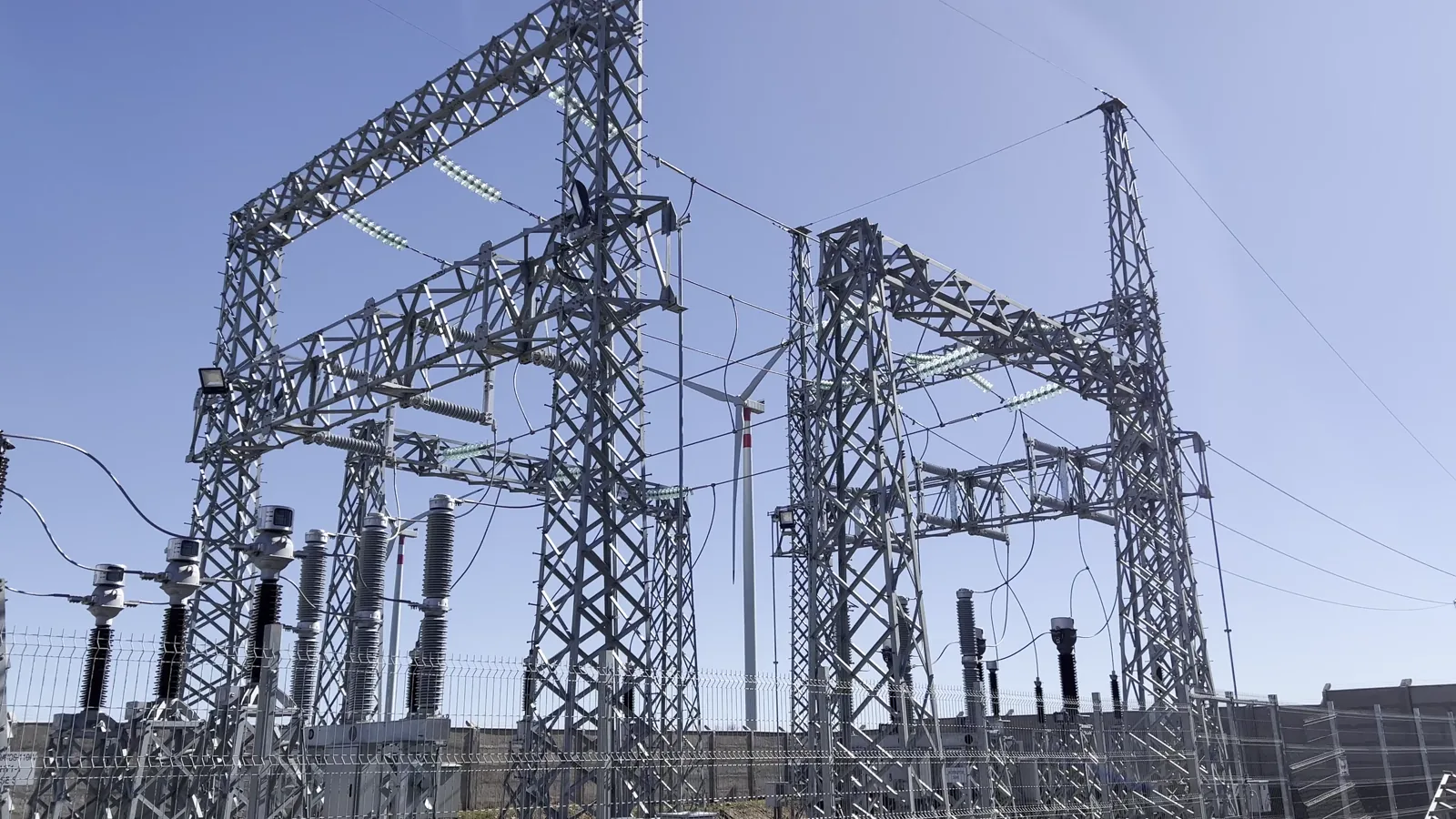
This report provides an in-depth analysis of the Offshore Control Cables market in Russia, including market size, structure, key trends, and forecast. The study highlights demand drivers, supply constraints, and competitive dynamics across the value chain.

The analysis is designed for manufacturers, distributors, investors, and advisors who require a consistent, data-driven view of market dynamics and a transparent analytical definition of the product scope.

Product Coverage

This report covers insulated wires, cables, and related assemblies specifically engineered for control, power, and data transmission in offshore marine environments. The coverage encompasses products designed for subsea and topside applications across the offshore energy sector, including oil & gas and renewable energy installations. These cables are characterized by their robust construction to withstand harsh conditions such as high pressure, salinity, dynamic stresses, and chemical exposure.

Included

  • SUBSEA UMBILICALS INTEGRATING POWER, HYDRAULIC, AND SIGNAL LINES
  • DYNAMIC AND STATIC POWER & CONTROL CABLES FOR FLOATING UNITS
  • HYBRID ELECTRO-HYDRAULIC CABLES FOR SUBSEA PRODUCTION SYSTEMS
  • FIBER OPTIC AND COMPOSITE CABLES FOR MONITORING AND DATA TRANSMISSION
  • ARMORED AND SHEATHED CABLES FOR ROVS AND SUBSEA EQUIPMENT
  • CABLES FOR OFFSHORE WIND FARM ARRAY AND EXPORT CONNECTIONS
  • CABLES CERTIFIED FOR SUBSEA DEPLOYMENT AND HIGH-VOLTAGE OPERATION

Excluded

  • ONSHORE POWER TRANSMISSION AND DISTRIBUTION CABLES
  • TELECOMMUNICATION CABLES FOR GENERAL TERRESTRIAL USE
  • STANDARD BUILDING WIRE AND INTERIOR WIRING PRODUCTS
  • CONSUMER ELECTRONIC CABLES AND SIMPLE CONNECTION CORDS
  • ELECTRICAL INSULATORS AND FITTINGS WITHOUT INTEGRAL CABLING
  • SUBSEA PRODUCTION HARDWARE (TREES, MANIFOLDS) AND STANDALONE SENSORS

Segmentation Framework

  • By product type / configuration: Subsea Umbilicals, Dynamic Cables, Static Cables, Hybrid Electro-Hydraulic Cables, Fiber Optic Cables, Power Cables, Signal Cables, Composite Cables
  • By application / end-use: Oil & Gas Platforms, Subsea Production Systems, Floating Production Units, Offshore Wind Farms, Wave & Tidal Energy, Subsea Monitoring, Remote Operated Vehicles (ROVs), Drilling Rigs
  • By value chain position: Raw Material (Copper, Polymers, Steel), Cable Manufacturing, Armoring & Sheathing, Testing & Certification, System Integration, Installation & Deployment, Operation & Maintenance, Decommissioning

Classification Coverage

The market data is structured according to the primary product types and their specific applications within the offshore energy value chain. Segmentation reflects key distinctions such as cable function (power, signal, hybrid), dynamic rating, and deployment depth. The analysis follows the industry's technical segmentation, aligning with engineering specifications and procurement categories for subsea and offshore control systems.

HS Codes (framework)

  • 854449 – Insulated wire/cable, n.e.s., voltage > 1000 V (Covers high-voltage power cables for offshore applications)
  • 854460 – Insulated wire/cable, coaxial & other conductors (Includes data, signal, and composite control cables)
  • 854470 – Insulated wire/cable, optical fiber (Covers subsea fiber optic cables for monitoring & comms)
  • 903289 – Automatic regulating/controlling instruments, n.e.s. (May include integrated control systems with cabling)

Country Coverage

Russia

Data Coverage

  • Historical data: 2012–2025
  • Forecast data: 2026–2035

Units of Measure

  • Volume: tonnes
  • Value: USD
  • Prices: USD per tonne

Methodology

The analysis is built on a multi-source framework that combines official statistics, trade records, company disclosures, and expert validation. Data are standardized, reconciled, and cross-checked to ensure consistency across time series.

  • International trade data (exports, imports, and mirror statistics)
  • National production and consumption statistics
  • Company-level information from financial filings and public releases
  • Price series and unit value benchmarks
  • Analyst review, outlier checks, and time-series validation

All data are normalized to a common product definition and mapped to a consistent set of codes. This ensures that comparisons across time are aligned and actionable.

  1. 1. INTRODUCTION

    Making Data-Driven Decisions to Grow Your Business

    1. REPORT DESCRIPTION
    2. RESEARCH METHODOLOGY AND THE AI PLATFORM
    3. DATA-DRIVEN DECISIONS FOR YOUR BUSINESS
    4. GLOSSARY AND SPECIFIC TERMS
  2. 2. EXECUTIVE SUMMARY

    A Quick Overview of Market Performance

    1. KEY FINDINGS
    2. MARKET TRENDS
  3. 3. MARKET OVERVIEW

    Understanding the Current State of The Market and its Prospects

    1. MARKET SIZE: HISTORICAL DATA (2012–2025) AND FORECAST (2026–2035)
    2. MARKET STRUCTURE: HISTORICAL DATA (2012–2025) AND FORECAST (2026–2035)
    3. TRADE BALANCE: HISTORICAL DATA (2012–2025) AND FORECAST (2026–2035)
    4. PER CAPITA CONSUMPTION: HISTORICAL DATA (2012–2025) AND FORECAST (2026–2035)
    5. MARKET FORECAST TO 2035
  4. 4. PRODUCT SCOPE & DEFINITIONS

    What Is Included and How the Market Is Defined

    1. MARKET COVERAGE OF OFFSHORE CONTROL CABLES
    2. INCLUSION OF SUBSEA AND DYNAMIC CABLES
    3. EXCLUSION OF ONSHORE AND GENERAL INDUSTRIAL CABLES
    4. DEFINITION BY FUNCTION (POWER, SIGNAL, HYBRID)
    5. SCOPE BY HS CODES 854449 854460 854470
    6. ANALYTICAL VS. PRODUCT MARKET DEFINITION
  5. 5. SEGMENTATION

    How the Market Is Split into Comparable Segments

    1. SEGMENTATION BY CABLE TYPE (E.G., SUBSEA UMBILICALS)
    2. SEGMENTATION BY APPLICATION (E.G., OFFSHORE WIND)
    3. SEGMENTATION BY VALUE CHAIN POSITION
    4. CROSS-SEGMENT ANALYSIS (TYPE VS. APPLICATION)
    5. DEMAND VARIATION ACROSS SEGMENTS
    6. GROWTH RATES BY SEGMENT
  6. 6. SUPPLY & VALUE CHAIN

    Upstream Inputs, Manufacturing Landscape and Go-to-Market

    1. RAW MATERIAL SUPPLY (COPPER, POLYMERS, STEEL)
    2. CABLE MANUFACTURING AND ARMORING PROCESSES
    3. TESTING AND CERTIFICATION FOR OFFSHORE ENVIRONMENTS
    4. SYSTEM INTEGRATION WITH SUBSEA EQUIPMENT
    5. INSTALLATION AND DEPLOYMENT LOGISTICS
    6. OPERATION, MAINTENANCE, AND DECOMMISSIONING
  7. 7. DEMAND BY SEGMENT

    End-Use Drivers and Adoption Requirements

    1. OIL & GAS PLATFORM RETROFIT AND NEWBUILD DRIVERS
    2. OFFSHORE WIND FARM EXPANSION AND GRID CONNECTION
    3. SUBSEA PRODUCTION SYSTEM CONTROL REQUIREMENTS
    4. ROV AND SUBSEA MONITORING DEPLOYMENT DEMAND
    5. DYNAMIC CABLE DEMAND FOR FLOATING UNITS
    6. HYBRID CABLE ADOPTION FOR INTEGRATED SYSTEMS
  8. 8. MOST PROMISING PRODUCTS FOR DIVERSIFICATION

    Finding New Products to Diversify Your Business

    1. TOP PRODUCTS TO DIVERSIFY YOUR BUSINESS
    2. BEST-SELLING PRODUCTS
    3. MOST CONSUMED PRODUCTS
    4. MOST TRADED PRODUCTS
    5. MOST PROFITABLE PRODUCTS FOR EXPORTS
  9. 9. MOST PROMISING SUPPLYING COUNTRIES

    Choosing the Best Countries to Establish Your Sustainable Supply Chain

    1. TOP COUNTRIES TO SOURCE YOUR PRODUCT
    2. TOP PRODUCING COUNTRIES
    3. TOP EXPORTING COUNTRIES
    4. LOW-COST EXPORTING COUNTRIES
  10. 10. MOST PROMISING OVERSEAS MARKETS

    Choosing the Best Countries to Boost Your Export

    1. TOP OVERSEAS MARKETS FOR EXPORTING YOUR PRODUCT
    2. TOP CONSUMING MARKETS
    3. UNSATURATED MARKETS
    4. TOP IMPORTING MARKETS
    5. MOST PROFITABLE MARKETS
  11. 11. PRODUCTION

    The Latest Trends and Insights into The Industry

    1. PRODUCTION VOLUME AND VALUE: HISTORICAL DATA (2012–2025) AND FORECAST (2026–2035)
  12. 12. IMPORTS

    The Largest Import Supplying Countries

    1. IMPORTS: HISTORICAL DATA (2012–2025) AND FORECAST (2026–2035)
    2. IMPORTS BY COUNTRY: HISTORICAL DATA (2012–2025)
    3. IMPORT PRICES BY COUNTRY: HISTORICAL DATA (2012–2025)
  13. 13. EXPORTS

    The Largest Destinations for Exports

    1. EXPORTS: HISTORICAL DATA (2012–2025) AND FORECAST (2026–2035)
    2. EXPORTS BY COUNTRY: HISTORICAL DATA (2012–2025)
    3. EXPORT PRICES BY COUNTRY: HISTORICAL DATA (2012–2025)
  14. 14. PROFILES OF MAJOR COMPANIES

    The Key Company Types and Market Structure

    1. INTEGRATED SUBSEA SYSTEM MANUFACTURERS
    2. SPECIALIZED OFFSHORE CABLE PRODUCERS
    3. RAW MATERIAL AND COMPONENT SUPPLIERS
    4. SYSTEM INTEGRATION AND ENGINEERING CONTRACTORS
    5. INSTALLATION AND COMMISSIONING SPECIALISTS
    6. OPERATION AND MAINTENANCE SERVICE PROVIDERS
    7. DEDICATED TESTING AND CERTIFICATION BODIES
  15. LIST OF TABLES

    1. Key Findings In 2025
    2. Market Volume, In Physical Terms: Historical Data (2012–2025) and Forecast (2026–2035)
    3. Market Value: Historical Data (2012–2025) and Forecast (2026–2035)
    4. Per Capita Consumption: Historical Data (2012–2025) and Forecast (2026–2035)
    5. Imports, In Physical Terms, By Country, 2012–2025
    6. Imports, In Value Terms, By Country, 2012–2025
    7. Import Prices, By Country, 2012–2025
    8. Exports, In Physical Terms, By Country, 2012–2025
    9. Exports, In Value Terms, By Country, 2012–2025
    10. Export Prices, By Country, 2012–2025
  16. LIST OF FIGURES

    1. Market Volume, In Physical Terms: Historical Data (2012–2025) and Forecast (2026–2035)
    2. Market Value: Historical Data (2012–2025) and Forecast (2026–2035)
    3. Market Structure – Domestic Supply vs. Imports, in Physical Terms: Historical Data (2012–2025) and Forecast (2026–2035)
    4. Market Structure – Domestic Supply vs. Imports, in Value Terms: Historical Data (2012–2025) and Forecast (2026–2035)
    5. Trade Balance, In Physical Terms: Historical Data (2012–2025) and Forecast (2026–2035)
    6. Trade Balance, In Value Terms: Historical Data (2012–2025) and Forecast (2026–2035)
    7. Per Capita Consumption: Historical Data (2012–2025) and Forecast (2026–2035)
    8. Market Volume Forecast to 2035
    9. Market Value Forecast to 2035
    10. Market Size and Growth, By Product
    11. Average Per Capita Consumption, By Product
    12. Exports and Growth, By Product
    13. Export Prices and Growth, By Product
    14. Production Volume and Growth
    15. Exports and Growth
    16. Export Prices and Growth
    17. Market Size and Growth
    18. Per Capita Consumption
    19. Imports and Growth
    20. Import Prices
    21. Production, In Physical Terms: Historical Data (2012–2025) and Forecast (2026–2035)
    22. Production, In Value Terms: Historical Data (2012–2025) and Forecast (2026–2035)
    23. Imports, In Physical Terms: Historical Data (2012–2025) and Forecast (2026–2035)
    24. Imports, In Value Terms: Historical Data (2012–2025) and Forecast (2026–2035)
    25. Imports, In Physical Terms, By Country, 2025
    26. Imports, In Physical Terms, By Country, 2012–2025
    27. Imports, In Value Terms, By Country, 2012–2025
    28. Import Prices, By Country, 2012–2025
    29. Exports, In Physical Terms: Historical Data (2012–2025) and Forecast (2026–2035)
    30. Exports, In Value Terms: Historical Data (2012–2025) and Forecast (2026–2035)
    31. Exports, In Physical Terms, By Country, 2025
    32. Exports, In Physical Terms, By Country, 2012–2025
    33. Exports, In Value Terms, By Country, 2012–2025
    34. Export Prices, By Country, 2012–2025
North Africa-Europe Energy Link Expands with New Power Interconnectors
Mar 20, 2026

North Africa-Europe Energy Link Expands with New Power Interconnectors

Analysis of the emerging electricity trade link between North Africa and Europe, focusing on new interconnectors like ELMED and regional grid integration as a complement to LNG exports.

Offshore Control Cables Market to 2035 Driven by Accelerated Global Deployment of Offshore Wind Farms
Mar 18, 2026

Offshore Control Cables Market to 2035 Driven by Accelerated Global Deployment of Offshore Wind Farms

The global offshore control cables market is entering a transformative decade, with demand projected to accelerate significantly through 2035. This specialized segment, encompassing subsea umbilicals, dynamic and static power cables, and hybrid electro-hydraulic systems, is fundamental to offshore e

Lamprell and RTE International Form Offshore Wind Transmission Partnership
Mar 9, 2026

Lamprell and RTE International Form Offshore Wind Transmission Partnership

Lamprell and RTE International announce a strategic partnership to pursue integrated engineering and construction opportunities for offshore wind transmission cable systems, combining expertise in offshore structures and high-voltage technology.

Eastern Green Link 3: £3bn UK Electricity Transmission Project Contracts Finalized
Mar 7, 2026

Eastern Green Link 3: £3bn UK Electricity Transmission Project Contracts Finalized

Contracts for the UK's major Eastern Green Link 3 electricity transmission project have been finalized, involving a £3bn investment for a 690km HVDC link to transmit 2GW of renewable power from Scotland to England.

Business Services Stocks Lag S&P 500; Amdocs, Interface, Amphenol Analyzed
Mar 6, 2026

Business Services Stocks Lag S&P 500; Amdocs, Interface, Amphenol Analyzed

An analysis of business services stocks, highlighting Amdocs (DOX) for potential underperformance and Interface (TILE) and Amphenol (APH) for positive attributes, based on recent financial data and market trends as of early 2026.

World's Optical Fiber Market Set for Growth to 3.2 Million Tons and $163.2 Billion
Feb 18, 2026

World's Optical Fiber Market Set for Growth to 3.2 Million Tons and $163.2 Billion

Global optical fiber market forecast: volume to reach 3.2M tons, value $163.2B by 2035. Analysis of 2024 consumption, production, trade trends, and key country insights.

G2 reviews
Teams rate IndexBox on G2

Verified reviewers highlight faster qualification, clearer collaboration, and stronger bid readiness.

G2

High Performer

Regional Grid

G2

High Performer Small-Business

Grid Report

G2

Leader Small-Business

Grid Report

G2

High Performer Mid-Market

Grid Report

G2

Leader

Grid Report

G2

Users Love Us

Milestone badge

Cristian Spataru

Cristian Spataru

Commercial Manager · XTRATECRO

5/5

Great for Market Insights and Analysis

“IndexBox is a solid source for trade and industrial market data — what I like best about it is how it aggregates official statistics.”

Review collected and hosted on G2.com.

Juan Pablo Cabrera

Juan Pablo Cabrera

Gerente de Innovación · Cartocor

5/5

Extremely gratifying

“Access very specific and broad information of any type of market.”

Review collected and hosted on G2.com.

Dilan Salam

Dilan Salam

GMP; ISO Compliance Supervisor · PiONEER Co. for Pharmaceutical Industries

5/5

Powerful data at a fair price

“I have got a lot of benefit from IndexBox, too many data available, and easy to use software at a very good price.”

Review collected and hosted on G2.com.

Counselor Hasan AlKhoori

Counselor Hasan AlKhoori

Founder and CEO · Independent

5/5

All the data required

“All the data required for building your full analytics infrastructure.”

Review collected and hosted on G2.com.

Ashenafi Behailu

Ashenafi Behailu

General Manager · Ashenafi Behailu General Contractor

5/5

Detailed, well-organized data

“The data organization and level of detail which it is presented in is very helpful.”

Review collected and hosted on G2.com.

Iman Aref

Iman Aref

Senior Export Manager · Padideh Shimi Gharn

5/5

Up to date and precise info

“Up to date and precise info, for fulfilling the validity and reliability of the given research.”

Review collected and hosted on G2.com.

Top 15 market participants headquartered in Russia
Offshore Control Cables · Russia scope
#1
K

Kamsky Kabel

Headquarters
Naberezhnye Chelny, Russia
Focus
Power & control cables for harsh environments
Scale
Large

Key supplier for oil & gas, including offshore

#2
R

Ryazan Plant of Metal-Ceramic Devices

Headquarters
Ryazan, Russia
Focus
Subsea & offshore electrical cables & systems
Scale
Medium

Specializes in deep-water applications

#3
I

Irkutskkabel

Headquarters
Irkutsk, Russia
Focus
Broad cable portfolio, incl. control cables
Scale
Large

Supplies industrial projects nationwide

#4
S

Sibkabel

Headquarters
Tomsk, Russia
Focus
Energy & control cables for industrial sectors
Scale
Large

Major player for Siberian oil & gas projects

#5
P

Podolskkabel

Headquarters
Podolsk, Russia
Focus
Power, control, & instrumentation cables
Scale
Large

Historic manufacturer for critical infrastructure

#6
K

Kolchuginsky Plant named after Ordzhonikidze

Headquarters
Kolchugino, Russia
Focus
Enamelled wires & special control cables
Scale
Medium

Provides components for cable assemblies

#7
U

Uralkabel

Headquarters
Yekaterinburg, Russia
Focus
Industrial cables including control types
Scale
Large

Supplier for Ural region industrial projects

#8
M

MosKabel

Headquarters
Moscow, Russia
Focus
Various cable types, including control cables
Scale
Large

One of Russia's oldest cable manufacturers

#9
Y

Yuzhkabel

Headquarters
Rostov-on-Don, Russia
Focus
Cables for energy & industrial automation
Scale
Medium

Serves southern Russia's industrial base

#10
S

Sevkabel

Headquarters
St. Petersburg, Russia
Focus
Marine & offshore cables, power & control
Scale
Large

Historic marine cable supplier, port location

#11
K

Kazan Plant Elektropribor

Headquarters
Kazan, Russia
Focus
Control cables & instrumentation systems
Scale
Medium

Specializes in automation & control solutions

#12
E

Energokabel

Headquarters
Moscow, Russia
Focus
Power & control cables for energy sector
Scale
Medium

Focus on reliability in harsh conditions

#13
K

Kabelny Zavod Yuzhuralkabel

Headquarters
Chelyabinsk, Russia
Focus
Industrial cables for mining & oil & gas
Scale
Medium

Serves heavy industry in the Urals

#14
T

Tomskkabel

Headquarters
Tomsk, Russia
Focus
Cables for oil, gas, & petrochemical sectors
Scale
Medium

Located in key resource extraction region

#15
B

Belgorod Cable Plant

Headquarters
Belgorod, Russia
Focus
Control & power cables for construction/industry
Scale
Medium

Supplier for various industrial applications

Dashboard for Offshore Control Cables (Russia)
Demo data

Charts mirror the report figures on the platform. Values are synthetic for demo use.

Market Volume
Demo
Market Volume, in Physical Terms: Historical Data (2013-2025) and Forecast (2026-2036)
Market Value
Demo
Market Value: Historical Data (2013-2025) and Forecast (2026-2036)
Consumption by Country
Demo
Consumption, by Country, 2025
Top consuming countries Share, %
Market Volume Forecast
Demo
Market Volume Forecast to 2036
Market Value Forecast
Demo
Market Value Forecast to 2036
Market Size and Growth
Demo
Market Size and Growth, by Product
Segment Growth, %
Per Capita Consumption
Demo
Per Capita Consumption, by Product
Segment Kg per capita
Per Capita Consumption Trend
Demo
Per Capita Consumption, 2013-2025
Production Volume
Demo
Production, in Physical Terms, 2013-2025
Production Value
Demo
Production Value, 2013-2025
Production by Country
Demo
Production, by Country, 2025
Top producing countries Share, %
Export Price
Demo
Export Price, 2013-2025
Import Price
Demo
Import Price, 2013-2025
Export Price by Country
Demo
Export Price, by Country, 2025
Top export price USD per ton
Import Price by Country
Demo
Import Price, by Country, 2025
Top import price USD per ton
Price Spread
Demo
Export-Import Price Spread, 2013-2025
Average Price
Demo
Average Export Price, 2013-2025
Import Volume
Demo
Import Volume, 2013-2025
Import Value
Demo
Import Value, 2013-2025
Imports by Country
Demo
Imports, by Country, 2025
Top importing countries Share, %
Import Price by Country
Demo
Import Price, by Country, 2025
Top import price USD per ton
Export Volume
Demo
Export Volume, 2013-2025
Export Value
Demo
Export Value, 2013-2025
Exports by Country
Demo
Exports, by Country, 2025
Top exporting countries Share, %
Export Price by Country
Demo
Export Price, by Country, 2025
Top export price USD per ton
Export Growth by Product
Demo
Export Growth, by Product, 2025
Segment Growth, %
Export Price Growth by Product
Demo
Export Price Growth, by Product, 2025
Segment Growth, %
Offshore Control Cables - Russia - Supplying Countries
Leader in Production
India
Within 50 Countries
Leader in Exports
Ecuador
Within TOP 50 Producing Countries
Leader in Prices
Malawi
Within TOP 50 Exporting Countries
Russia - Top Producing Countries
Demo
Production Volume vs CAGR of Production Volume
Russia - Top Exporting Countries
Demo
Export Volume vs CAGR of Exports
Russia - Low-cost Exporting Countries
Demo
Export Price vs CAGR of Export Prices
Offshore Control Cables - Russia - Overseas Markets
Largest Importer
United States
Within TOP 50 Importing Countries
Fastest Import Growth
Vietnam
CAGR 2017-2025
Highest Import Price
Japan
USD per ton, 2025
Largest Market Value
Germany
2025
Russia - Top Importing Countries
Demo
Import Volume vs CAGR of Imports
Russia - Largest Consumption Markets
Demo
Consumption Volume vs CAGR of Consumption
Russia - Fastest Import Growth
Demo
Import Growth Leaders, 2025
Russia - Highest Import Prices
Demo
Import Prices Leaders, 2025
Offshore Control Cables - Russia - Products for Diversification
Top Diversification Option
Segment A
High synergy with core demand
Fastest Growth
Segment B
CAGR 2017-2025
Highest Margin
Segment C
Premium pricing tier
Lowest Volatility
Segment D
Stable demand trend
Products with the Highest Export Growth
Demo
Export Growth by Product, 2025
Products with Rising Prices
Demo
Price Growth by Product, 2025
Products with High Import Dependence
Demo
Import Dependence Index, 2025
Diversification Shortlist
Demo
Product Rationale
Macroeconomic indicators influencing the Offshore Control Cables market (Russia)
Live data

Real macro, logistics, and energy indicators are pulled from the IndexBox platform and rendered on demand.

Loading indicators...
No chart data available for macro indicators.
No chart data available for logistics indicators.
No chart data available for energy and commodity indicators.

Recommended reports

Featured reports in Energy & Sustainability

Market Intelligence

Free Data: Energy and Sustainability - Russia

Instant access. No credit card needed.


