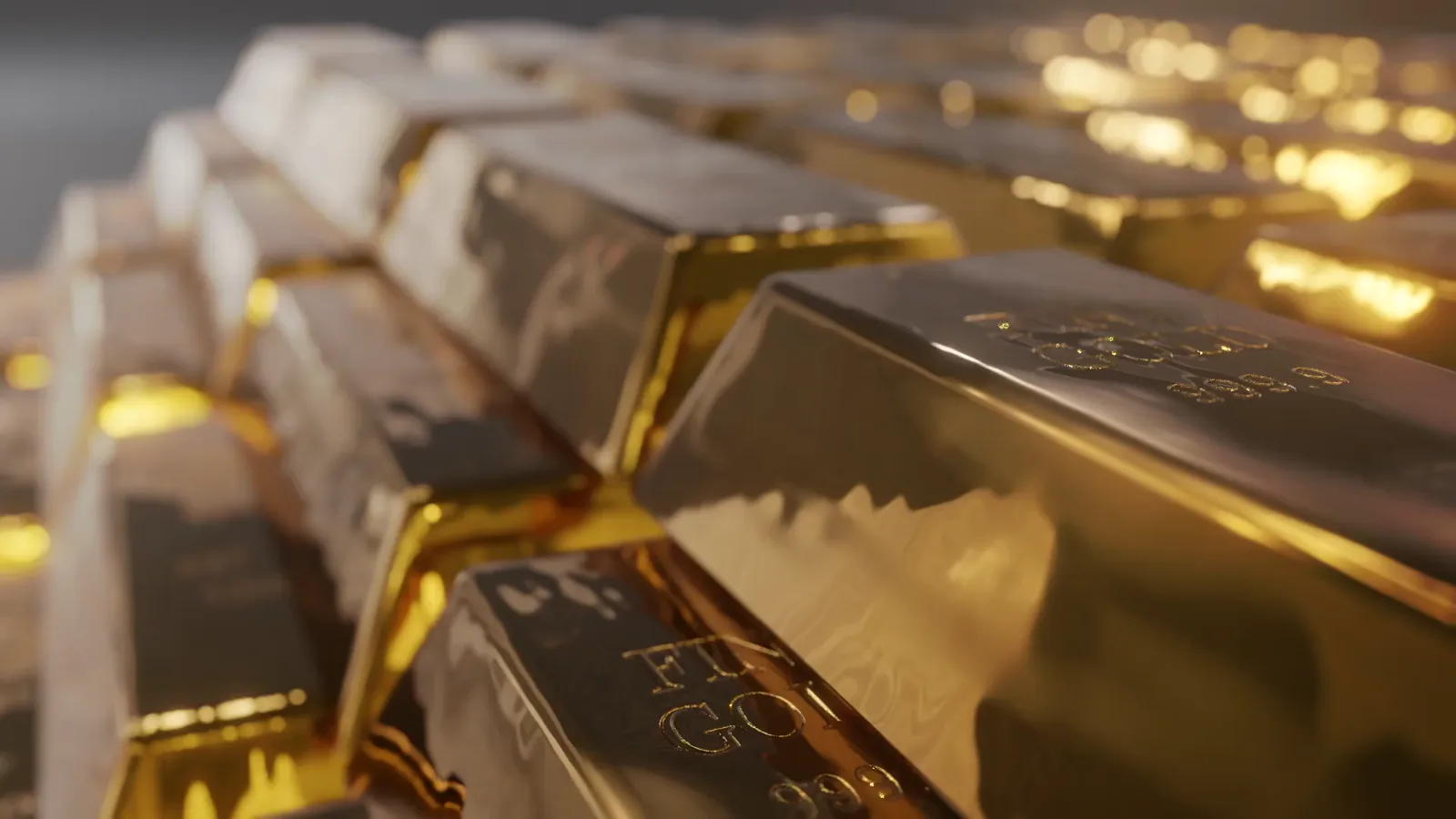
Germany Silver Including Silver Plated With Gold Or Platinum Market 2026 Analysis and Forecast to 2035
Executive Summary
The German market for silver, including silver plated with gold or platinum, represents a sophisticated and pivotal node within the global precious metals landscape. Characterized by high-value manufacturing, robust international trade, and significant price premiums, the market is shaped by a complex interplay of industrial demand, investment flows, and stringent regulatory frameworks. Germany stands as a notable consumer, ranking among the top global markets, but its defining role is that of a high-value processor and re-exporter, leveraging advanced refining and fabrication capabilities. This report provides a comprehensive 2026 analysis of the market's structure, key drivers, competitive dynamics, and trade flows, culminating in a strategic forecast horizon extending to 2035.
Core to understanding this market is the distinction between volume and value. While Germany's consumption volume places it behind global leaders like China, the United States, and India, the unit value of its traded material is exceptionally high. This is evidenced by an average 2024 export price of $797,768 per ton and an import price of $661,410 per ton, reflecting the high-purity, semi-fabricated, and often plated nature of the silver products circulating within its borders. The market is fundamentally trade-oriented, with the United Kingdom serving as the paramount export destination, accounting for 40% of Germany's export value, while imports are led by Poland, Switzerland, and the UK.
The outlook to 2035 will be governed by the trajectory of key end-use sectors—namely automotive electronics, photovoltaics, and jewelry—against a backdrop of evolving supply chain security, environmental regulations, and monetary policy influencing investment demand. This analysis dissects these components to provide stakeholders with a clear, data-driven perspective on future opportunities, risks, and strategic imperatives in the German silver market.
Market Overview
The German market for silver, inclusive of gold- or platinum-plated silver, is a mature, high-value segment of the European precious metals industry. Its position is unique, balancing substantial domestic industrial consumption with a dominant role in regional trade and value-added processing. In global consumption rankings, Germany is identified among the significant markets, following the volume leaders China (17K tons), the United States (9.5K tons), and India (8.7K tons). Alongside Japan, Russia, and others, Germany forms part of a secondary tier that collectively accounts for a material share of global demand, underscoring its importance beyond raw volume metrics.
The market's architecture is bifurcated between primary refined silver and secondary silver, which includes recycled material and plated products. The inclusion of silver plated with gold or platinum is particularly relevant, as it captures high-end manufacturing outputs for the jewelry, tableware, and specialized industrial sectors. This segment commands significant price premiums and is a hallmark of German craftsmanship and technological application. The market is highly integrated with global supply chains, both for raw material sourcing and for the distribution of finished and semi-finished goods.
Regulatory oversight, particularly regarding hallmarking, financial reporting under the EU Precious Metals Regulation, and environmental standards for refining and recycling, provides a structured framework for market operations. This regulatory environment ensures quality and provenance but also imposes compliance costs that shape the competitive landscape. The market's performance is therefore a function of both global commodity cycles and localized industrial and regulatory factors.
Demand Drivers and End-Use
Demand for silver in Germany is multifaceted, driven by a blend of industrial, investment, and jewelry/fabrication needs. The industrial segment is the most significant volume driver, leveraging silver's unparalleled electrical conductivity, thermal properties, and optical reflectivity. This demand is relatively inelastic to short-term price fluctuations due to the critical nature of silver in final products, though long-term substitution efforts are a constant market factor.
The key end-use sectors creating sustained demand include:
- Electrical and Electronics: This remains the largest industrial application. Silver is essential in conductive pastes, contacts, switches, and printed circuit boards. The growth of automotive electronics, driven by electrification and advanced driver-assistance systems (ADAS), provides a strong tailwind for demand.
- Photovoltaics (PV): Germany, as a leader in renewable energy adoption, is a major consumer of silver for photovoltaic cells. Silver paste is a critical component in solar panels, and despite ongoing thrifting efforts to reduce loadings per cell, expanding PV installation capacity continues to support volumetric demand.
- Jewelry and Silverware: This segment, especially for high-quality and plated products, represents a key value-added market. German manufacturers are renowned for precision and design, catering to both domestic luxury consumers and export markets. Demand here is influenced by disposable income, fashion trends, and cultural factors.
- Investment: Demand for physical silver bars and coins provides a price-sensitive component of overall demand. This segment fluctuates with macroeconomic sentiment, inflation expectations, and the relative attractiveness of other asset classes.
- Other Industrial Uses: This includes brazing alloys, catalysts, medical applications, and mirrors. While individually smaller, these niche applications collectively contribute to a diverse and resilient demand base.
The demand for silver plated with gold or platinum is almost exclusively tied to the high-end jewelry, watchmaking, and specialty tableware sectors. This niche emphasizes aesthetic qualities, corrosion resistance, and brand value over raw silver content, creating a premium product stream that is less sensitive to base silver price volatility but highly sensitive to consumer confidence and luxury spending trends.
Supply and Production
Germany's domestic primary silver mine production is negligible. The country's supply is therefore overwhelmingly dependent on two streams: imports of refined silver and silver-containing materials, and the sophisticated recycling of secondary materials. This makes Germany a net processor rather than a primary producer, aligning with its industrial profile. The global production landscape is dominated by China, which produced 17K tons in 2024, accounting for 18% of global output and significantly exceeding the production of the second-largest producer, Russia (7.8K tons).
The domestic supply chain is anchored by major refineries and fabricators that process imported doré, scrap, and semi-fabricated products. These facilities transform raw materials into high-purity investment products, industrial-grade sheet and wire, and specialized alloys. The recycling loop is highly efficient, recovering silver from industrial scrap, end-of-life electronics, jewelry, and photographic materials. This secondary supply is a crucial stabilizing factor, providing a domestic source of material that is responsive to price signals and environmental policy incentives.
The production of silver plated with gold or platinum is a specialized fabrication process. It involves electroplating or other deposition techniques onto a silver substrate, requiring precise control and high-quality inputs. German manufacturers in this space compete on the basis of technical excellence, consistency, and design innovation. The supply of gold and platinum for plating constitutes a separate but linked supply chain, adding another layer of complexity and cost to the production process for these premium products.
Trade and Logistics
International trade is the lifeblood of the German silver market, defining its role as a central European hub. Germany runs a consistent trade surplus in value terms, highlighting its function as a value-adder that imports lower-value forms of silver and exports higher-value fabricated products. The trade dynamics reveal clear geographic patterns and significant price differentials between imports and exports.
On the import side, Germany sources material from a mix of European refining centers and international suppliers. In value terms, the leading suppliers in 2024 were Poland ($145 million), Switzerland ($129 million), and the United Kingdom ($81 million), which together accounted for 48% of total import value. These flows represent a combination of refined bullion for fabrication, intermediate goods for further processing, and recycled materials. The average import price in 2024 was $661,410 per ton, reflecting the mix of these inputs.
The export profile is markedly different and underscores Germany's value-added role. The United Kingdom is the overwhelmingly dominant destination, with exports valued at $856 million in 2024, constituting 40% of Germany's total silver exports. Switzerland ($342 million) and France follow as other major recipients. This export stream consists of high-purity investment bars, fabricated industrial products, specialized alloys, and finished jewelry and silverware. The average 2024 export price of $797,768 per ton significantly exceeds the average import price, capturing the margin earned through processing, fabrication, and branding.
Logistics for this high-value commodity are security-intensive and often involve specialized precious metals carriers and insured transport. Storage is primarily handled by secure vaults associated with banks, trading houses, and refineries. The trade infrastructure is mature, with established protocols for customs clearance, assay certification, and VAT handling (which is exempt for investment-grade bullion but applicable for fabricated goods), ensuring efficient movement of material within a secure framework.
Price Dynamics
Price formation in the German market is a derivative of the global London Bullion Market Association (LBMA) silver price, adjusted for local premiums or discounts, fabrication costs, and quality specifications. The high average prices observed for German trade flows are not indicators of a local price bubble but rather reflect the sophisticated nature of the products being traded. The disparity between the average export price ($797,768/ton) and import price ($661,410/ton) is a direct measure of the value added through German industrial and artisanal processes.
Historically, both import and export prices have shown volatility but within a bounded range over the last decade. The average export price, while picking up by 14% in 2024, has exhibited a relatively flat trend pattern since a peak in 2012. Similarly, the import price, despite a 9.3% increase in 2024, has recorded a slight longer-term slump. This suggests that while global spot prices fluctuate, the premiums for fabricated German products have remained resilient, though compressed from historical highs. The most significant price surges, such as the 27% jump in export price in 2020 and the 35% rise in import price in 2021, are typically linked to periods of extreme market dislocation, supply chain stress, or surges in investment demand.
For silver plated with gold or platinum, the price dynamics are further layered. The cost base is tied to the prices of all three constituent metals. The final product price is therefore a function of the underlying silver value, the cost of the gold or platinum plating (including labor and technology), and a substantial margin for design, branding, and craftsmanship. This makes the plated segment less directly correlated with daily silver fixes and more sensitive to luxury market dynamics and the costs of the other precious metals involved.
Competitive Landscape
The German market features a stratified competitive environment with distinct tiers of players, each with specific roles and competitive advantages. The landscape is consolidated at the wholesale and refining level but becomes more fragmented downstream in fabrication and retail.
- Major Refiners and Traders: This tier includes large, often internationally connected companies that operate refineries, provide vaulting services, and facilitate bulk trading. They are price-setters for the local market and have direct access to global supply. Their competitiveness hinges on scale, refining efficiency, and logistics networks.
- Industrial Fabricators: These firms transform refined silver into semi-finished products like sheet, wire, tubes, and powders for industrial clients. They compete on technical specifications, consistency, purity, and the ability to develop custom alloys. Many are integrated into broader metalworking or technology conglomerates.
- Specialized Jewelry and Silverware Manufacturers: This segment includes renowned brands and smaller artisanal workshops, particularly those producing plated products. Competition is based on design, brand heritage, craftsmanship, and marketing. They are the primary creators of value in the plated-with-gold-or-platinum category.
- Recyclers and Secondary Processors:
These players are critical for closing the material loop. They range from large-scale electronic waste processors to specialized jewelry scrap buyers. Their efficiency and recovery rates are key competitive factors, increasingly driven by environmental regulations and technology.
- Banks and Financial Intermediaries: They provide market access for institutional investors, offer structured products, and facilitate financing for the physical trade. Their role is foundational to market liquidity and investment flows.
Competitive strategies across these tiers focus on vertical integration to secure supply, investment in R&D for new applications and more efficient recycling, adherence to and shaping of sustainability standards, and deep customer relationships built on reliability and quality. For plated product manufacturers, intellectual property in design and plating technology forms a significant barrier to entry.
Methodology and Data Notes
This analysis is constructed using a multi-method research approach designed to ensure robustness, accuracy, and strategic relevance. The core foundation is quantitative data analysis, drawing from official national and international trade statistics, production data, and price series. These datasets are cleaned, normalized, and cross-referenced to build a consistent time-series picture of market volumes, values, and flows. The trade analysis, for instance, meticulously tracks HS code classifications for silver and silver-plated articles to ensure accurate categorization of the subject products.
Qualitative insights are integrated through expert interviews and analysis of secondary sources. Engagements with industry participants across the value chain—including refiners, fabricators, traders, and end-users—provide context on market mechanisms, competitive behaviors, and operational challenges. This primary research is supplemented by systematic review of company reports, regulatory publications, and technical literature related to silver applications and recycling technologies.
The forecasting approach to 2035 is scenario-based and non-linear. It does not invent new absolute figures but projects trends based on identified drivers. We model demand by applying growth rate assumptions to key end-use sectors (e.g., PV capacity additions, automotive electronics penetration), informed by industry roadmaps and macroeconomic forecasts. Supply-side analysis considers projected mine production trends, recycling rate improvements, and potential trade policy shifts. Price projections are framed by analyzing historical relationships between industrial demand, investment flows, and macroeconomic variables, acknowledging inherent volatility. All findings are presented with explicit discussion of underlying assumptions and potential alternative outcomes.
Outlook and Implications to 2035
The trajectory of the German silver market to 2035 will be shaped by the confluence of powerful, and at times conflicting, global and regional trends. Demand fundamentals appear structurally positive, underpinned by the energy transition and digitalization. The photovoltaic sector is expected to remain a major consumer, even with thrifting, due to global decarbonization commitments. Similarly, the proliferation of electronics in vehicles, infrastructure, and consumer devices will sustain core industrial demand. However, this growth will be tempered by persistent efforts in material substitution and efficiency gains across all applications.
On the supply side, the market will continue to rely on imports and an increasingly important recycling ecosystem. Pressures for supply chain transparency and environmental, social, and governance (ESG) compliance will elevate the importance of certified, responsibly sourced primary material and highly efficient closed-loop recycling. This may reinforce Germany's advantage due to its advanced refining technology and stringent regulatory standards, but could also raise costs. The role of strategic stockpiling or supply security initiatives at the EU level presents a potential new variable in the supply equation.
For the high-value segment of silver plated with gold or platinum, the outlook is closely tied to the health of the global luxury market and consumer preferences for sustainable luxury. Brands that can successfully communicate craftsmanship, heritage, and ethical sourcing will be best positioned to maintain premium margins. Technologically, advancements in plating durability and precision may open new industrial applications.
Strategic implications for market participants are clear. For refiners and traders, investing in traceability and low-carbon refining processes will be a competitive necessity. Industrial fabricators must focus on R&D partnerships with end-users to develop next-generation applications and defend against substitution. Jewelry and silverware manufacturers must deepen their brand narratives around sustainability and artistry. For all players, navigating the complex interplay between volatile commodity inputs, evolving regulations, and shifting demand patterns will require agile strategy, robust risk management, and a long-term perspective on the evolving role of precious metals in a technologically advanced, sustainability-conscious economy.
Frequently Asked Questions (FAQ) :
The countries with the highest volumes of consumption in 2024 were China, the United States and India, together comprising 38% of global consumption. Japan, Russia, Indonesia, Nigeria, Germany, Italy and Mexico lagged somewhat behind, together accounting for a further 18%.
The country with the largest volume of silver production was China, accounting for 18% of total volume. Moreover, silver production in China exceeded the figures recorded by the second-largest producer, Russia, twofold. The third position in this ranking was taken by Japan, with a 6.9% share.
In value terms, Poland, Switzerland and the UK were the largest silver suppliers to Germany, with a combined 48% share of total imports.
In value terms, the UK emerged as the key foreign market for silver including silver plated with gold or platinum exports from Germany, comprising 40% of total exports. The second position in the ranking was held by Switzerland, with a 16% share of total exports. It was followed by France, with a 9.3% share.
In 2024, the average silver export price amounted to $797,768 per ton, picking up by 14% against the previous year. Over the period under review, the export price, however, saw a relatively flat trend pattern. The growth pace was the most rapid in 2020 when the average export price increased by 27%. Over the period under review, the average export prices attained the maximum at $864,494 per ton in 2012; however, from 2013 to 2024, the export prices remained at a lower figure.
In 2024, the average silver import price amounted to $661,410 per ton, surging by 9.3% against the previous year. Over the period under review, the import price, however, recorded a slight slump. The most prominent rate of growth was recorded in 2021 when the average import price increased by 35% against the previous year. Over the period under review, average import prices attained the maximum at $787,274 per ton in 2012; however, from 2013 to 2024, import prices stood at a somewhat lower figure.
This report provides a comprehensive view of the silver industry in Germany, tracking demand, supply, and trade flows across the national value chain. It explains how demand across key channels and end-use segments shapes consumption patterns, while also mapping the role of input availability, production efficiency, and regulatory standards on supply.
Beyond headline metrics, the study benchmarks prices, margins, and trade routes so you can see where value is created and how it moves between domestic suppliers and international partners. The analysis is designed to support strategic planning, market entry, portfolio prioritization, and risk management in the silver landscape in Germany.
Quick navigation
Key findings
- Domestic demand is shaped by both household and industrial usage, with trade flows linking local supply to imports and exports.
- Pricing dynamics reflect unit values, freight costs, exchange rates, and regulatory shifts that affect sourcing decisions.
- Supply depends on input availability and production efficiency, creating a distinct national cost curve.
- Market concentration varies by segment, creating different competitive landscapes and entry barriers.
- The 2035 outlook highlights where capacity investment and demand growth are most aligned within the country.
Report scope
The report combines market sizing with trade intelligence and price analytics for Germany. It covers both historical performance and the forward outlook to 2035, allowing you to compare cycles, structural shifts, and policy impacts.
- Market size and growth in value and volume terms
- Consumption structure by end-use segments
- Production capacity, output, and cost dynamics
- Trade flows, exporters, importers, and balances
- Price benchmarks, unit values, and margin signals
- Competitive context and market entry conditions
Product coverage
- Prodcom 24411030 - Silver, unwrought or in powder form (including plated with gold or platinum)
- Prodcom 24411050 - Silver, in semi-manufactured forms (including plated with gold or platinum) (excluding unwrought or in powder form)
Country coverage
Country profile and benchmarks
This report provides a consistent view of market size, trade balance, prices, and per-capita indicators for Germany. The profile highlights demand structure and trade position, enabling benchmarking against regional and global peers.
Methodology
The analysis is built on a multi-source framework that combines official statistics, trade records, company disclosures, and expert validation. Data are standardized, reconciled, and cross-checked to ensure consistency across time series.
- International trade data (exports, imports, and mirror statistics)
- National production and consumption statistics
- Company-level information from financial filings and public releases
- Price series and unit value benchmarks
- Analyst review, outlier checks, and time-series validation
All data are normalized to a common product definition and mapped to a consistent set of codes. This ensures that comparisons across time are aligned and actionable.
Forecasts to 2035
The forecast horizon extends to 2035 and is based on a structured model that links silver demand and supply to macroeconomic indicators, trade patterns, and sector-specific drivers. The model captures both cyclical and structural factors and reflects known policy and technology shifts in Germany.
- Historical baseline: 2012-2025
- Forecast horizon: 2026-2035
- Scenario-based sensitivity to income growth, substitution, and regulation
- Capacity and investment outlook for major producing companies
Each projection is built from national historical patterns and the broader regional context, allowing the report to show where growth is concentrated and where risks are elevated.
Price analysis and trade dynamics
Prices are analyzed in detail, including export and import unit values, regional spreads, and changes in trade costs. The report highlights how seasonality, freight rates, exchange rates, and supply disruptions influence pricing and margins.
- Price benchmarks by country and sub-region
- Export and import unit value trends
- Seasonality and calendar effects in trade flows
- Price outlook to 2035 under baseline assumptions
Profiles of market participants
Key producers, exporters, and distributors are profiled with a focus on their operational scale, geographic footprint, product mix, and market positioning. This helps identify competitive pressure points, partnership opportunities, and routes to differentiation.
- Business focus and production capabilities
- Geographic reach and distribution networks
- Cost structure and pricing strategy indicators
- Compliance, certification, and sustainability context
How to use this report
- Quantify domestic demand and identify the most attractive segments
- Evaluate export opportunities and prioritize target destinations
- Track price dynamics and protect margins
- Benchmark performance against leading competitors
- Build evidence-based forecasts for investment decisions
This report is designed for manufacturers, distributors, importers, wholesalers, investors, and advisors who need a clear, data-driven picture of silver dynamics in Germany.
FAQ
What is included in the silver market in Germany?
The market size aggregates consumption and trade data, presented in both value and volume terms.
How are the forecasts to 2035 built?
The projections combine historical trends with macroeconomic indicators, trade dynamics, and sector-specific drivers.
Does the report cover prices and margins?
Yes, it includes export and import unit values, regional spreads, and a pricing outlook to 2035.
Which benchmarks are included?
The report benchmarks market size, trade balance, prices, and per-capita indicators for Germany.
Can this report support market entry decisions?
Yes, it highlights demand hotspots, trade routes, pricing trends, and competitive context.