Xinomavro Ventures: A Global VC Fund Driving Tech Innovation in the $300B Wine Industry
According to AgTechnavigator, the global wine industry is valued at over three hundred billion dollars, with wine grapes ranking among the most profitable crops. Despite this, viticulture is frequently viewed as a traditional sector where core practices have seen only incremental change over a long period.
Launch of a Specialist Investment Vehicle
Xinomavro Ventures was established in 2023 by Guillaume de Pracomtal and Greg Letort, both experienced in the wine sector. The fund is described as the sole investment entity with a global scope concentrating specifically on winemaking technology, operating with a venture capital approach associated with Silicon Valley. The fund's criteria involve investing in technologies expected to provide significant returns while addressing major industry problems.
Identifying a Sector Lagging in Digitization
The founders identified viticulture as one of the least digitized areas within agriculture. They note that while capital is not a primary constraint, a historical lack of urgency to innovate has been common, partly because the industry experienced steady growth for decades and owners traditionally invested in tangible assets like land. This perspective is now shifting due to widespread challenges including water shortages, soil degradation, and a lack of available workers.
Vineyards as a Proving Ground for Broader Agriculture
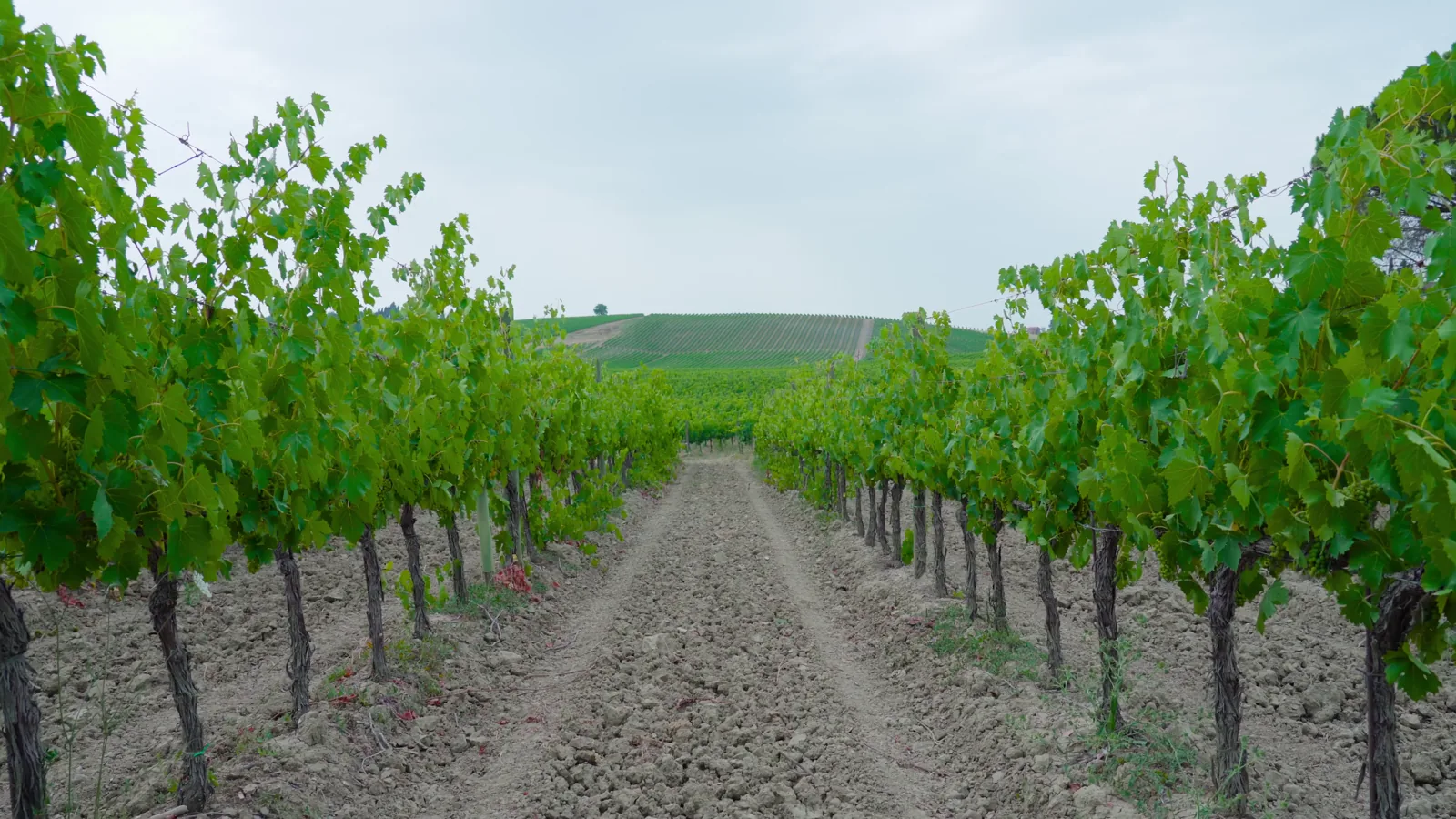
Xinomavro operates on the premise that vineyards, which face these pressures acutely, can serve as an effective entry point for agricultural innovation. Two key factors support this: the high value per tonne of grapes allows for greater spending on testing new technologies, and winemaking practices are relatively uniform worldwide, facilitating easier scaling of solutions across countries.
Portfolio Focus on Solving Pressing Issues
The fund's investments target specific industry pain points, with many portfolio companies using vineyards as a practical testing environment before expanding into other agricultural sectors. For example, vineyards are high users of pesticides, making them a priority area for solutions. Recent investments include Saga Robotics, which uses autonomous robots with UV lights to reduce fungicide application, and RootWave, which employs electricity to eliminate weeds without herbicides. These companies are among thirteen across seven countries that have received funding from Xinomavro.
Investment Strategy and Structure
The fund typically makes initial investments ranging from four hundred thousand to five hundred thousand euros, with further capital available for subsequent funding rounds. The structure involves over fifty investors and accessible capital, though it is not yet a fully committed venture capital fund.
Operator-Led Approach to Scaling
The founders emphasize their operational background over a purely scientific one, focusing on business models that solve significant problems in either viticulture or the consumer segment of the wine industry. Their stated value lies in deep industry knowledge, which they leverage to help startups scale effectively after identifying a genuine pain point.
This report provides a comprehensive view of the wine industry in France, tracking demand, supply, and trade flows across the national value chain. It explains how demand across key channels and end-use segments shapes consumption patterns, while also mapping the role of input availability, production efficiency, and regulatory standards on supply.
Beyond headline metrics, the study benchmarks prices, margins, and trade routes so you can see where value is created and how it moves between domestic suppliers and international partners. The analysis is designed to support strategic planning, market entry, portfolio prioritization, and risk management in the wine landscape in France.
Quick navigation
- Key findings
- Report scope
- Product coverage
- Country coverage
- Methodology
- Forecasts to 2035
- Price analysis
- Market participants
- Country profiles
- How to use this report
- FAQ
Key findings
- Domestic demand is shaped by both household and industrial usage, with trade flows linking local supply to imports and exports.
- Pricing dynamics reflect unit values, freight costs, exchange rates, and regulatory shifts that affect sourcing decisions.
- Supply depends on input availability and production efficiency, creating a distinct national cost curve.
- Market concentration varies by segment, creating different competitive landscapes and entry barriers.
- The 2035 outlook highlights where capacity investment and demand growth are most aligned within the country.
Report scope
The report combines market sizing with trade intelligence and price analytics for France. It covers both historical performance and the forward outlook to 2035, allowing you to compare cycles, structural shifts, and policy impacts.
- Market size and growth in value and volume terms
- Consumption structure by end-use segments
- Production capacity, output, and cost dynamics
- Trade flows, exporters, importers, and balances
- Price benchmarks, unit values, and margin signals
- Competitive context and market entry conditions
Product coverage
- FCL 564 - Wine
- FCL 563 - Must of Grape
Country coverage
- France
Country profile and benchmarks
This report provides a consistent view of market size, trade balance, prices, and per-capita indicators for France. The profile highlights demand structure and trade position, enabling benchmarking against regional and global peers.
Methodology
The analysis is built on a multi-source framework that combines official statistics, trade records, company disclosures, and expert validation. Data are standardized, reconciled, and cross-checked to ensure consistency across time series.
- International trade data (exports, imports, and mirror statistics)
- National production and consumption statistics
- Company-level information from financial filings and public releases
- Price series and unit value benchmarks
- Analyst review, outlier checks, and time-series validation
All data are normalized to a common product definition and mapped to a consistent set of codes. This ensures that comparisons across time are aligned and actionable.
Forecasts to 2035
The forecast horizon extends to 2035 and is based on a structured model that links wine demand and supply to macroeconomic indicators, trade patterns, and sector-specific drivers. The model captures both cyclical and structural factors and reflects known policy and technology shifts in France.
- Historical baseline: 2012-2025
- Forecast horizon: 2026-2035
- Scenario-based sensitivity to income growth, substitution, and regulation
- Capacity and investment outlook for major producing companies
Each projection is built from national historical patterns and the broader regional context, allowing the report to show where growth is concentrated and where risks are elevated.
Price analysis and trade dynamics
Prices are analyzed in detail, including export and import unit values, regional spreads, and changes in trade costs. The report highlights how seasonality, freight rates, exchange rates, and supply disruptions influence pricing and margins.
- Price benchmarks by country and sub-region
- Export and import unit value trends
- Seasonality and calendar effects in trade flows
- Price outlook to 2035 under baseline assumptions
Profiles of market participants
Key producers, exporters, and distributors are profiled with a focus on their operational scale, geographic footprint, product mix, and market positioning. This helps identify competitive pressure points, partnership opportunities, and routes to differentiation.
- Business focus and production capabilities
- Geographic reach and distribution networks
- Cost structure and pricing strategy indicators
- Compliance, certification, and sustainability context
How to use this report
- Quantify domestic demand and identify the most attractive segments
- Evaluate export opportunities and prioritize target destinations
- Track price dynamics and protect margins
- Benchmark performance against leading competitors
- Build evidence-based forecasts for investment decisions
This report is designed for manufacturers, distributors, importers, wholesalers, investors, and advisors who need a clear, data-driven picture of wine dynamics in France.
FAQ
What is included in the wine market in France?
The market size aggregates consumption and trade data, presented in both value and volume terms.
How are the forecasts to 2035 built?
The projections combine historical trends with macroeconomic indicators, trade dynamics, and sector-specific drivers.
Does the report cover prices and margins?
Yes, it includes export and import unit values, regional spreads, and a pricing outlook to 2035.
Which benchmarks are included?
The report benchmarks market size, trade balance, prices, and per-capita indicators for France.
Can this report support market entry decisions?
Yes, it highlights demand hotspots, trade routes, pricing trends, and competitive context.
-
1. INTRODUCTION
Making Data-Driven Decisions to Grow Your Business
- REPORT DESCRIPTION
- RESEARCH METHODOLOGY AND THE AI PLATFORM
- DATA-DRIVEN DECISIONS FOR YOUR BUSINESS
- GLOSSARY AND SPECIFIC TERMS
-
2. EXECUTIVE SUMMARY
A Quick Overview of Market Performance
- KEY FINDINGS
- MARKET TRENDS This Chapter is Available Only for the Professional Edition PRO
-
3. MARKET OVERVIEW
Understanding the Current State of The Market and its Prospects
- MARKET SIZE: HISTORICAL DATA (2012–2025) AND FORECAST (2026–2035)
- MARKET STRUCTURE: HISTORICAL DATA (2012–2025) AND FORECAST (2026–2035)
- CONSUMPTION BY TYPE: HISTORICAL DATA (2012–2025) AND FORECAST (2026–2035)
- TRADE BALANCE: HISTORICAL DATA (2012–2025) AND FORECAST (2026–2035)
- PER CAPITA CONSUMPTION: HISTORICAL DATA (2012–2025) AND FORECAST (2026–2035)
- MARKET FORECAST TO 2035
-
4. MOST PROMISING PRODUCTS FOR DIVERSIFICATION
Finding New Products to Diversify Your Business
- TOP PRODUCTS TO DIVERSIFY YOUR BUSINESS
- BEST-SELLING PRODUCTS
- MOST CONSUMED PRODUCTS
- MOST TRADED PRODUCTS
- MOST PROFITABLE PRODUCTS FOR EXPORTS
-
5. MOST PROMISING SUPPLYING COUNTRIES
Choosing the Best Countries to Establish Your Sustainable Supply Chain
- TOP COUNTRIES TO SOURCE YOUR PRODUCT
- TOP PRODUCING COUNTRIES
- TOP EXPORTING COUNTRIES
- LOW-COST EXPORTING COUNTRIES
-
6. MOST PROMISING OVERSEAS MARKETS
Choosing the Best Countries to Boost Your Export
- TOP OVERSEAS MARKETS FOR EXPORTING YOUR PRODUCT
- TOP CONSUMING MARKETS
- UNSATURATED MARKETS
- TOP IMPORTING MARKETS
- MOST PROFITABLE MARKETS
-
7. PRODUCTION
The Latest Trends and Insights into The Industry
- PRODUCTION VOLUME AND VALUE: HISTORICAL DATA (2012–2025) AND FORECAST (2026–2035)
- PRODUCTION BY TYPE: HISTORICAL DATA (2012–2025) AND FORECAST (2026–2035)
-
8. IMPORTS
The Largest Import Supplying Countries
- IMPORTS: HISTORICAL DATA (2012–2025) AND FORECAST (2026–2035)
- IMPORTS BY TYPE: HISTORICAL DATA (2012–2025) AND FORECAST (2026–2035)
- IMPORTS BY COUNTRY: HISTORICAL DATA (2012–2025)
- IMPORT PRICES BY TYPE AND COUNTRY: HISTORICAL DATA (2012–2025)
-
9. EXPORTS
The Largest Destinations for Exports
- EXPORTS: HISTORICAL DATA (2012–2025) AND FORECAST (2026–2035)
- EXPORTS BY TYPE: HISTORICAL DATA (2012–2025) AND FORECAST (2026–2035)
- EXPORTS BY COUNTRY: HISTORICAL DATA (2012–2025)
- EXPORT PRICES BY TYPE AND COUNTRY: HISTORICAL DATA (2012–2025)
-
10. PROFILES OF MAJOR PRODUCERS
The Largest Producers on The Market and Their Profiles
-
LIST OF TABLES
- Key Findings In 2025
- Market Volume, In Physical Terms: Historical Data (2012–2025) and Forecast (2026–2035)
- Market Value: Historical Data (2012–2025) and Forecast (2026–2035)
- Consumption, in Physical and Value Terms, by Type: Historical Data (2012–2025) and Forecast (2026–2035)
- Per Capita Consumption: Historical Data (2012–2025) and Forecast (2026–2035)
- Production, in Physical and Value Terms, by Type: Historical Data (2012–2025) and Forecast (2026–2035)
- Imports, in Physical and Value Terms, by Type: Historical Data (2012–2025) and Forecast (2026–2035)
- Imports, In Physical Terms, By Country, 2012-2025
- Imports, In Value Terms, By Country, 2012-2025
- Import Prices, By Country, 2012-2025
- Import Prices, by Type: Historical Data (2012–2025) and Forecast (2026–2035)
- Exports, in Physical and Value Terms, by Type: Historical Data (2012–2025) and Forecast (2026–2035)
- Exports, In Physical Terms, By Country, 2012-2025
- Exports, In Value Terms, By Country, 2012-2025
- Exports Prices, By Country, 2012-2025
- Exports Prices, by Type: Historical Data (2012–2025) and Forecast (2026–2035)
-
LIST OF FIGURES
- Market Volume, in Physical Terms: Historical Data (2012–2025) and Forecast (2026–2035)
- Market Value: Historical Data (2012–2025) and Forecast (2026–2035)
- Consumption, By Type, 2025
- Consumption, in Physical Terms, by Type: Historical Data (2012–2025) and Forecast (2026–2035)
- Consumption, in Value Terms, by Type: Historical Data (2012–2025) and Forecast (2026–2035)
- Consumption, Per Capita, by Type: Historical Data (2012–2025) and Forecast (2026–2035)
- Market Structure – Domestic Supply Vs. Imports, in Physical Terms: Historical Data (2012–2025) and Forecast (2026–2035)
- Market Structure – Domestic Supply Vs. Imports, in Value Terms: Historical Data (2012–2025) and Forecast (2026–2035)
- Trade Balance, in Physical Terms: Historical Data (2012–2025) and Forecast (2026–2035)
- Trade Balance, in Value Terms: Historical Data (2012–2025) and Forecast (2026–2035)
- Per Capita Consumption: Historical Data (2012–2025) and Forecast (2026–2035)
- Market Volume Forecast to 2035
- Market Value Forecast to 2035
- Market Size and Growth, by Product
- Average Per Capita Consumption, by Product
- Exports and Growth, by Product
- Export Prices and Growth, by Product
- Production Volume and Growth
- Exports and Growth
- Export Prices and Growth
- Market Size and Growth
- Per Capita Consumption
- Imports and Growth
- Import Prices
- Production, in Physical Terms: Historical Data (2012–2025) and Forecast (2026–2035)
- Production, in Value Terms: Historical Data (2012–2025) and Forecast (2026–2035)
- Production, By Type, 2025
- Production, in Physical Terms, by Type: Historical Data (2012–2025) and Forecast (2026–2035)
- Production, in Value Terms, by Type: Historical Data (2012–2025) and Forecast (2026–2035)
- Imports, in Physical Terms: Historical Data (2012–2025) and Forecast (2026–2035)
- Imports, in Value Terms: Historical Data (2012–2025) and Forecast (2026–2035)
- Imports, By Type, 2025
- Imports, in Physical Terms, by Type: Historical Data (2012–2025) and Forecast (2026–2035)
- Imports, in Value Terms, by Type: Historical Data (2012–2025) and Forecast (2026–2035)
- Imports, in Physical Terms, by Country, 2025
- Imports, in Physical Terms, by Country, 2012-2025
- Imports, in Value Terms, by Country, 2012-2025
- Import Prices, by Country, 2012-2025
- Import Prices, by Type: Historical Data (2012–2025) and Forecast (2026–2035)
- Exports, in Physical Terms: Historical Data (2012–2025) and Forecast (2026–2035)
- Exports, in Value Terms: Historical Data (2012–2025) and Forecast (2026–2035)
- Exports, By Type, 2025
- Exports, in Physical Terms, by Type: Historical Data (2012–2025) and Forecast (2026–2035)
- Exports, in Value Terms, by Type: Historical Data (2012–2025) and Forecast (2026–2035)
- Exports, in Physical Terms, by Country, 2025
- Exports, in Physical Terms, by Country, 2012-2025
- Exports, in Value Terms, by Country, 2012-2025
- Export Prices, by Country, 2012-2025
- Export Prices, by Type: Historical Data (2012–2025) and Forecast (2026–2035)
Recommended posts

Free Data: Wine And Grape Must - France
Instant access. No credit card needed.


