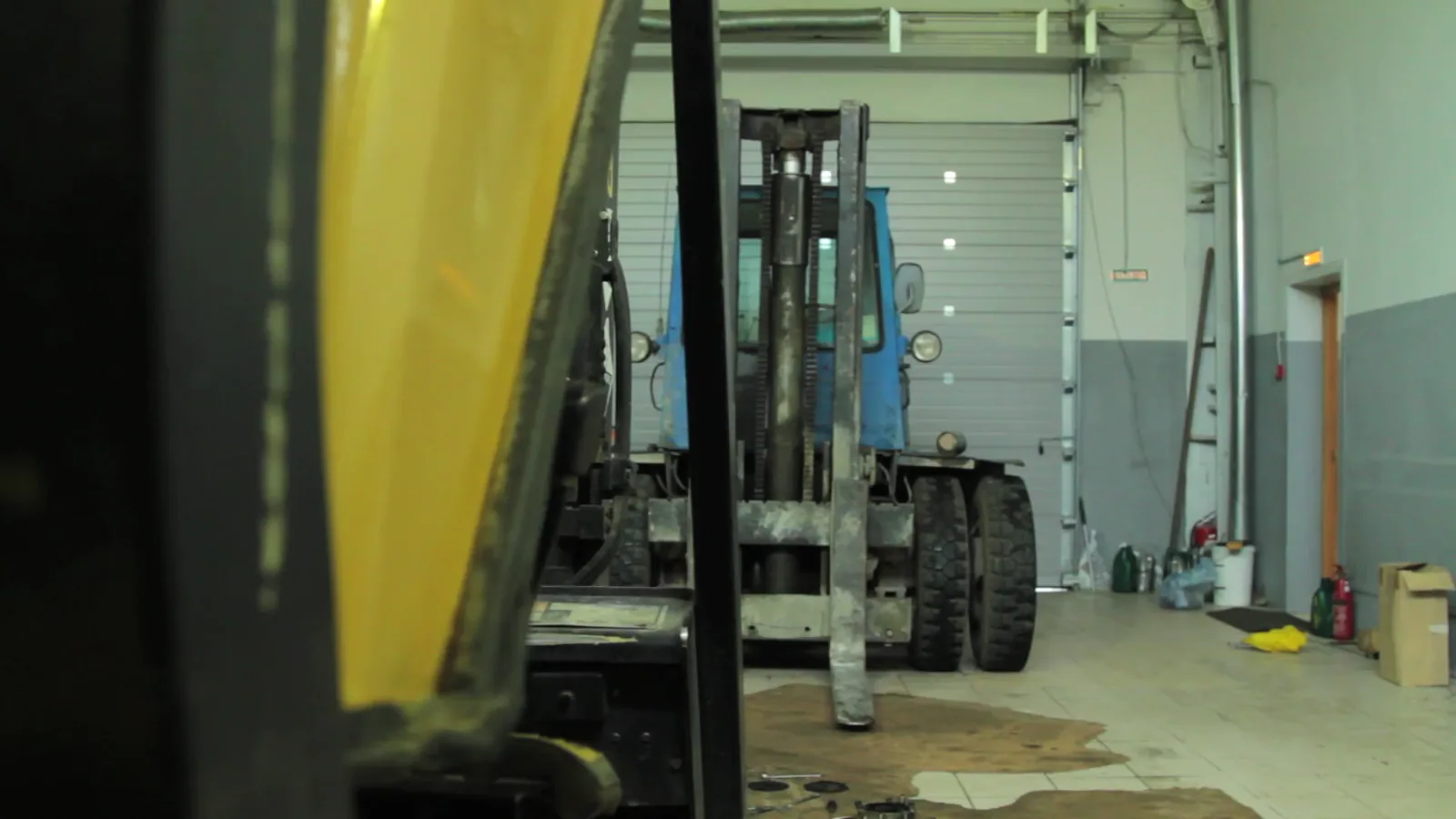
Physical AI: the Key to Overcoming Warehouse Automation Adoption Barriers
According to a report from FreightWaves, the corporate venture arm of Ryder System has focused its investment efforts over the last five years on disruptive technologies, including warehouse automation. The firm notes that while artificial intelligence attracted significant venture capital attention previously, warehouse automation continues to represent a major growth area.
The analysis highlights a distinction between highly publicized autonomous vehicle sectors and the warehouse space, which remains underpenetrated. A primary barrier to broader adoption is identified as fear, particularly related to the significant capital commitment required for hardware that may become obsolete. This contrasts with software solutions where switching costs are lower.
An emerging trend, termed physical AI, involves integrating artificial intelligence models with warehouse hardware. This approach is said to enable equipment to manage multiple applications rather than being confined to a single task. This flexibility is presented as a direct counter to the risk of business needs changing after a major investment.
The high upfront cost for automation, such as purchasing multiple autonomous forklifts, is cited as the main obstacle preventing widespread use. This financial risk contributes to low adoption rates despite the technology's recognized utility. Two areas expected to see acceleration are trailer unloading automation and new equipment designs that reconsider traditional warehouse layouts.
One specific investment involves a company developing a system where individual pallet positions function as autonomous devices within a matrix, constantly optimizing their location. This software-defined model is described as eliminating conventional constraints by creating a self-optimizing system for moving goods.
The current phase in warehousing is compared to the early adoption of electricity, where the most successful users redesigned their entire operations around the new technology. Similarly, future warehouse design, including the structure of racking systems, may be fundamentally reimagined. Consumer packaged goods companies are seen as logical early adopters of these new systems.
For entrepreneurs seeking investment, simply incorporating AI is considered insufficient. A differentiated solution requires demonstrating a unique dataset, user base, or specialized knowledge that provides a competitive advantage. As technology costs decrease, success in physical AI is said to depend on execution and the ability to expand within an organization after navigating integration challenges.
For entities unable to develop such capabilities independently, forming partnerships with trusted providers is noted as a valuable alternative, as continued successful delivery tends to foster long-term relationships.
1. INTRODUCTION
Making Data-Driven Decisions to Grow Your Business
- REPORT DESCRIPTION
- RESEARCH METHODOLOGY AND THE AI PLATFORM
- DATA-DRIVEN DECISIONS FOR YOUR BUSINESS
- GLOSSARY AND SPECIFIC TERMS
2. EXECUTIVE SUMMARY
A Quick Overview of Market Performance
- KEY FINDINGS
- MARKET TRENDS This Chapter is Available Only for the Professional EditionPRO
3. MARKET OVERVIEW
Understanding the Current State of The Market and its Prospects
- MARKET SIZE: HISTORICAL DATA (2012–2025) AND FORECAST (2026–2035)
- CONSUMPTION BY COUNTRY: HISTORICAL DATA (2012–2025) AND FORECAST (2026–2035)
- MARKET FORECAST TO 2035
4. MOST PROMISING PRODUCTS FOR DIVERSIFICATION
Finding New Products to Diversify Your Business
- TOP PRODUCTS TO DIVERSIFY YOUR BUSINESS
- BEST-SELLING PRODUCTS
- MOST CONSUMED PRODUCTS
- MOST TRADED PRODUCTS
- MOST PROFITABLE PRODUCTS FOR EXPORT
5. MOST PROMISING SUPPLYING COUNTRIES
Choosing the Best Countries to Establish Your Sustainable Supply Chain
- TOP COUNTRIES TO SOURCE YOUR PRODUCT
- TOP PRODUCING COUNTRIES
- TOP EXPORTING COUNTRIES
- LOW-COST EXPORTING COUNTRIES
6. MOST PROMISING OVERSEAS MARKETS
Choosing the Best Countries to Boost Your Export
- TOP OVERSEAS MARKETS FOR EXPORTING YOUR PRODUCT
- TOP CONSUMING MARKETS
- UNSATURATED MARKETS
- TOP IMPORTING MARKETS
- MOST PROFITABLE MARKETS
7. PRODUCTION
The Latest Trends and Insights into The Industry
- PRODUCTION VOLUME AND VALUE: HISTORICAL DATA (2012–2025) AND FORECAST (2026–2035)
- PRODUCTION BY COUNTRY: HISTORICAL DATA (2012–2025) AND FORECAST (2026–2035)
8. IMPORTS
The Largest Import Supplying Countries
- IMPORTS: HISTORICAL DATA (2012–2025) AND FORECAST (2026–2035)
- IMPORTS BY COUNTRY: HISTORICAL DATA (2012–2025) AND FORECAST (2026–2035)
- IMPORT PRICES BY COUNTRY: HISTORICAL DATA (2012–2025) AND FORECAST (2026–2035)
9. EXPORTS
The Largest Destinations for Exports
- EXPORTS: HISTORICAL DATA (2012–2025) AND FORECAST (2026–2035)
- EXPORTS BY COUNTRY: HISTORICAL DATA (2012–2025) AND FORECAST (2026–2035)
- EXPORT PRICES BY COUNTRY: HISTORICAL DATA (2012–2025) AND FORECAST (2026–2035)
10. PROFILES OF MAJOR PRODUCERS
The Largest Producers on The Market and Their Profiles
-
11. COUNTRY PROFILES
The Largest Markets And Their Profiles
This Chapter is Available Only for the Professional Edition PRO- 11.1United States
- Market Size
- Production
- Imports
- Exports
- 11.2China
- Market Size
- Production
- Imports
- Exports
- 11.3Japan
- Market Size
- Production
- Imports
- Exports
- 11.4Germany
- Market Size
- Production
- Imports
- Exports
- 11.5United Kingdom
- Market Size
- Production
- Imports
- Exports
- 11.6France
- Market Size
- Production
- Imports
- Exports
- 11.7Brazil
- Market Size
- Production
- Imports
- Exports
- 11.8Italy
- Market Size
- Production
- Imports
- Exports
- 11.9Russian Federation
- Market Size
- Production
- Imports
- Exports
- 11.10India
- Market Size
- Production
- Imports
- Exports
- 11.11Canada
- Market Size
- Production
- Imports
- Exports
- 11.12Australia
- Market Size
- Production
- Imports
- Exports
- 11.13Republic of Korea
- Market Size
- Production
- Imports
- Exports
- 11.14Spain
- Market Size
- Production
- Imports
- Exports
- 11.15Mexico
- Market Size
- Production
- Imports
- Exports
- 11.16Indonesia
- Market Size
- Production
- Imports
- Exports
- 11.17Netherlands
- Market Size
- Production
- Imports
- Exports
- 11.18Turkey
- Market Size
- Production
- Imports
- Exports
- 11.19Saudi Arabia
- Market Size
- Production
- Imports
- Exports
- 11.20Switzerland
- Market Size
- Production
- Imports
- Exports
- 11.21Sweden
- Market Size
- Production
- Imports
- Exports
- 11.22Nigeria
- Market Size
- Production
- Imports
- Exports
- 11.23Poland
- Market Size
- Production
- Imports
- Exports
- 11.24Belgium
- Market Size
- Production
- Imports
- Exports
- 11.25Argentina
- Market Size
- Production
- Imports
- Exports
- 11.26Norway
- Market Size
- Production
- Imports
- Exports
- 11.27Austria
- Market Size
- Production
- Imports
- Exports
- 11.28Thailand
- Market Size
- Production
- Imports
- Exports
- 11.29United Arab Emirates
- Market Size
- Production
- Imports
- Exports
- 11.30Colombia
- Market Size
- Production
- Imports
- Exports
- 11.31Denmark
- Market Size
- Production
- Imports
- Exports
- 11.32South Africa
- Market Size
- Production
- Imports
- Exports
- 11.33Malaysia
- Market Size
- Production
- Imports
- Exports
- 11.34Israel
- Market Size
- Production
- Imports
- Exports
- 11.35Singapore
- Market Size
- Production
- Imports
- Exports
- 11.36Egypt
- Market Size
- Production
- Imports
- Exports
- 11.37Philippines
- Market Size
- Production
- Imports
- Exports
- 11.38Finland
- Market Size
- Production
- Imports
- Exports
- 11.39Chile
- Market Size
- Production
- Imports
- Exports
- 11.40Ireland
- Market Size
- Production
- Imports
- Exports
- 11.41Pakistan
- Market Size
- Production
- Imports
- Exports
- 11.42Greece
- Market Size
- Production
- Imports
- Exports
- 11.43Portugal
- Market Size
- Production
- Imports
- Exports
- 11.44Kazakhstan
- Market Size
- Production
- Imports
- Exports
- 11.45Algeria
- Market Size
- Production
- Imports
- Exports
- 11.46Czech Republic
- Market Size
- Production
- Imports
- Exports
- 11.47Qatar
- Market Size
- Production
- Imports
- Exports
- 11.48Peru
- Market Size
- Production
- Imports
- Exports
- 11.49Romania
- Market Size
- Production
- Imports
- Exports
- 11.50Vietnam
- Market Size
- Production
- Imports
- Exports
LIST OF TABLES
- Key Findings In 2025
- Market Volume, In Physical Terms: Historical Data (2012–2025) and Forecast (2026–2035)
- Market Value: Historical Data (2012–2025) and Forecast (2026–2035)
- Per Capita Consumption, by Country, 2022–2025
- Production, In Physical Terms, By Country: Historical Data (2012–2025) and Forecast (2026–2035)
- Imports, In Physical Terms, By Country: Historical Data (2012–2025) and Forecast (2026–2035)
- Imports, In Value Terms, By Country: Historical Data (2012–2025) and Forecast (2026–2035)
- Import Prices, By Country: Historical Data (2012–2025) and Forecast (2026–2035)
- Exports, In Physical Terms, By Country: Historical Data (2012–2025) and Forecast (2026–2035)
- Exports, In Value Terms, By Country: Historical Data (2012–2025) and Forecast (2026–2035)
- Export Prices, By Country: Historical Data (2012–2025) and Forecast (2026–2035)
LIST OF FIGURES
- Market Volume, In Physical Terms: Historical Data (2012–2025) and Forecast (2026–2035)
- Market Value: Historical Data (2012–2025) and Forecast (2026–2035)
- Consumption, by Country, 2025
- Market Volume Forecast to 2035
- Market Value Forecast to 2035
- Market Size and Growth, By Product
- Average Per Capita Consumption, By Product
- Exports and Growth, By Product
- Export Prices and Growth, By Product
- Production Volume and Growth
- Exports and Growth
- Export Prices and Growth
- Market Size and Growth
- Per Capita Consumption
- Imports and Growth
- Import Prices
- Production, In Physical Terms: Historical Data (2012–2025) and Forecast (2026–2035)
- Production, In Value Terms: Historical Data (2012–2025) and Forecast (2026–2035)
- Production, by Country, 2025
- Production, In Physical Terms, by Country: Historical Data (2012–2025) and Forecast (2026–2035)
- Imports, In Physical Terms: Historical Data (2012–2025) and Forecast (2026–2035)
- Imports, In Value Terms: Historical Data (2012–2025) and Forecast (2026–2035)
- Imports, In Physical Terms, By Country, 2025
- Imports, In Physical Terms, By Country: Historical Data (2012–2025) and Forecast (2026–2035)
- Imports, In Value Terms, By Country: Historical Data (2012–2025) and Forecast (2026–2035)
- Import Prices, By Country: Historical Data (2012–2025) and Forecast (2026–2035)
- Exports, In Physical Terms: Historical Data (2012–2025) and Forecast (2026–2035)
- Exports, In Value Terms: Historical Data (2012–2025) and Forecast (2026–2035)
- Exports, In Physical Terms, By Country, 2025
- Exports, In Physical Terms, By Country: Historical Data (2012–2025) and Forecast (2026–2035)
- Exports, In Value Terms, By Country: Historical Data (2012–2025) and Forecast (2026–2035)
- Export Prices, By Country: Historical Data (2012–2025) and Forecast (2026–2035)
Recommended posts

Free Data: Insights - World
Instant access. No credit card needed.


